
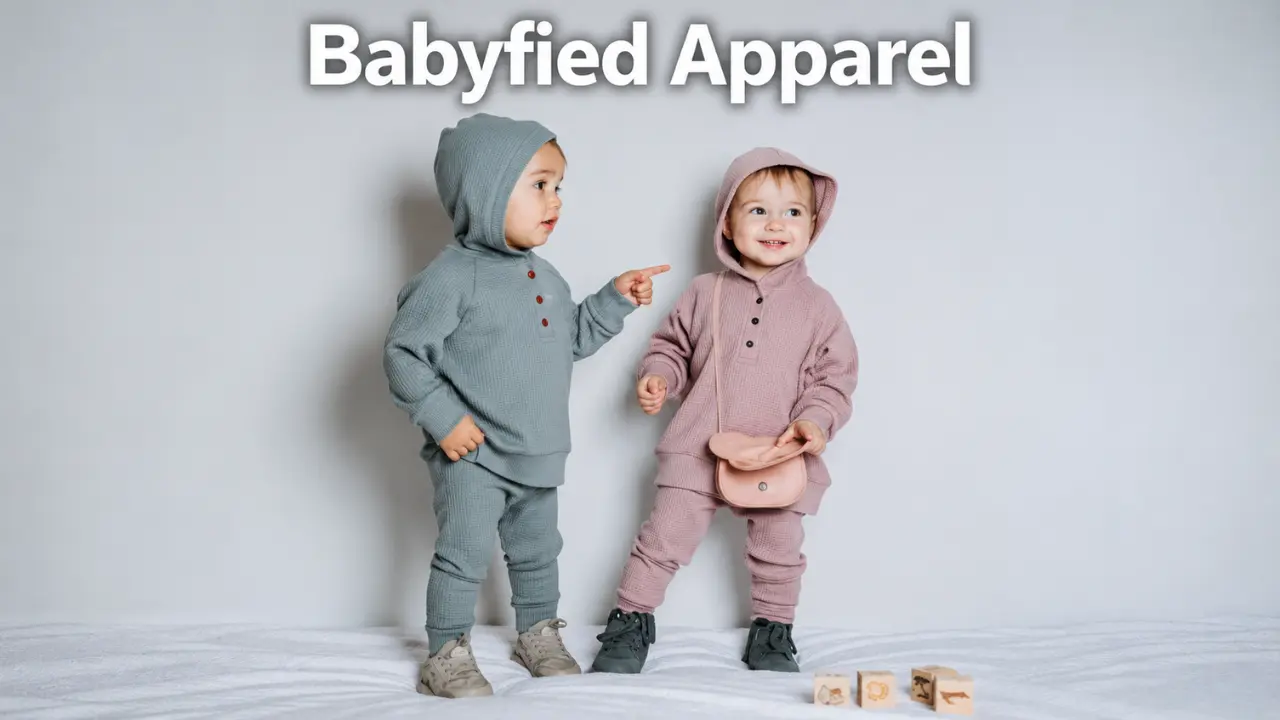
Baby accessories are easy to underestimate. A hat, toque, beanie, or pair of children’s sunglasses can look like a small purchase, but the right design has to balance fit, comfort, appearance, and the practical needs of a growing child. That is where babyfied apparel has built its identity. The Canadian brand focuses on baby and children’s accessories, with products that lean toward simple designs rather than overly complicated styling.
For parents, the useful question is not whether an accessory looks cute in a product photo. It is whether the sizing makes sense, the material suits the season, and the product is comfortable enough for a child to actually wear. Those details make a bigger difference than branding alone.
Babyfied apparel is associated with Toronto, Ontario, and has developed a product range that includes knitted toques, beanies, baseball caps, sunglasses, and other children’s accessories. Its trademark history also gives the brand a clearly documented Canadian business identity.
The Canadian background behind babyfied apparel
Babyfied apparel has a Canadian business history that can be traced through public records and wholesale information. The company is associated with Toronto, Ontario, and operates in the baby and children’s accessories market.
The brand’s trademark was filed in Canada on September 9, 2020, and registered on November 16, 2022. The registered trademark covers baby clothing and related products, including baby clothes, hats, sun hats, and toques. The registration also includes ophthalmic eyeglasses and ophthalmic lenses.
Babyfied Apparel Inc. was incorporated in Canada on October 15, 2020. Public corporate information identifies David Francis Mitchell and Stephanie Sunde Mitchell as associated with the company, while trademark records list them as the registered owners.
That timeline matters because it separates the brand from the countless children’s accessory names that appear temporarily on online marketplaces. babyfied apparel has a documented corporate and trademark presence in Canada, giving shoppers a clearer picture of where the brand sits in the market.
Wholesale listings also describe the company as a family business based in Toronto. The brand’s product presentation favors classic, uncomplicated designs, which makes sense for children’s accessories that need to work with everyday outfits rather than dominate them.
What products does babyfied apparel offer?
The strongest part of the babyfied apparel range is its selection of headwear. The brand has been associated with classic toques, pom-pom toques, beanies, baby beanies, and baseball caps.
These products cover different situations rather than simply offering the same hat in several colors. A knitted toque is suited to colder weather, while a lightweight cap is more appropriate for everyday outdoor use during warmer conditions.
The Classic Toque is one of the recognizable products associated with the brand. Retail listings describe versions made from 100% acrylic, with sizing that can include age groups such as 0–6 months and 6–24 months. That kind of age-based sizing is useful for parents, but it should never replace checking the individual product measurements before ordering.
Pom-pom designs provide a more playful appearance while retaining the basic function of a knitted winter hat. Baby beanies serve a similar practical purpose with a simpler shape, while baseball caps give parents an option for warmer-weather outfits.
The brand has also been associated with children’s sunglasses and screen glasses. That broadens the product range beyond winter headwear and makes babyfied apparel more of an accessories brand than a company built around one type of children’s clothing.
Why the sizing deserves attention
Parents should pay close attention to sizing when buying babyfied apparel online.
Age ranges can be helpful, but babies of the same age can have very different head sizes. A hat labeled for 0–6 months may fit one baby comfortably while feeling tight or loose on another. The same problem applies as children move into larger age categories.
The best approach is simple: treat the age range as a starting point, not a guarantee.
Check the individual product description for measurements, material information, and fit guidance before purchasing. If a retailer provides head circumference measurements, those figures are more useful than age alone.
Material also affects how a product feels. A knitted hat with some stretch can accommodate movement better than a rigid design, but the amount of stretch and the construction of the specific product still matter.
This is especially relevant with babyfied apparel because the brand sells products for children at different developmental stages. A newborn, a six-month-old baby, and a two-year-old child have very different fitting needs.
The appeal of classic designs
The visual style of babyfied apparel is one of its clearer strengths.
Children’s accessories can become overly decorative very quickly. Bright graphics, large logos, excessive patterns, and novelty details may look attractive in a photograph but can make an item harder to pair with ordinary clothes.
The classic approach taken by babyfied apparel has the opposite effect. A simple knitted toque can work with a winter coat, sweater, or everyday outfit without competing with the rest of the clothing.
That simplicity also helps parents who want accessories that can be passed between outfits rather than purchased for one specific occasion.
It is a practical design philosophy. Children’s wardrobes change quickly, so accessories that remain visually useful across different outfits have more staying power.
Materials matter more than the product photo
A good-looking children’s hat is not automatically a good children’s hat.
Parents should look beyond color and styling and check what the product is made from. Product listings for certain babyfied apparel items describe acrylic construction, including 100% acrylic for the Classic Toque.
Acrylic is widely used in knitted accessories because it can provide warmth, softness, durability, and relatively easy care. But parents should still follow the care instructions supplied with the specific product.
Material choice also needs to match the season. A thick knitted toque makes sense in cold weather but can be uncomfortable if worn in warm conditions. A baseball cap or lighter accessory may be a better choice when temperatures rise.
The point is straightforward: choose the accessory for the conditions first and the appearance second.
Babyfied apparel for different seasons
The range makes more sense when viewed through seasonal use.
Winter is where knitted products are most useful. Classic toques, pom-pom toques, and beanies provide options for keeping a child’s head covered during colder outdoor activities.
During warmer months, baseball caps become more practical. They can complement everyday clothing while providing coverage from direct sunlight.
Sunglasses add another type of seasonal accessory. Parents shopping for children’s eyewear should pay attention to the product’s stated specifications rather than assuming every pair offers identical protection.
The variety within babyfied apparel means parents can select accessories according to weather and activity instead of relying on one product throughout the year.
What makes the brand different from a generic marketplace seller?
Brand identity matters more when buying products for babies and young children.
Online marketplaces contain thousands of children’s hats and accessories. Some have little information about who makes them, where the company operates, or whether the brand has an established business history.
babyfied apparel has a more identifiable footprint. Its Canadian trademark registration, corporate records, Toronto connection, and wholesale presence provide information that is not always available for generic children’s accessory listings.
That does not mean every product is automatically the right choice for every child. Parents should still inspect materials, sizing, care requirements, retailer policies, and current product specifications.
What the documented brand history does provide is a clearer basis for researching the company before buying.
Where shoppers may encounter babyfied apparel
babyfied apparel has appeared through wholesale and retail channels rather than existing only as an unknown marketplace label.
Wholesale listings have presented the brand to retailers looking for children’s accessories, while individual products can also appear through online sellers.
Availability can change. A product that is listed by one retailer today may be unavailable later, while another retailer may carry a different selection or size range.
For that reason, shoppers should compare the actual product listing rather than relying on an old description found elsewhere. Product names can remain unchanged while available colors, sizes, materials, or stock levels change.
The retailer’s current information should always take priority when making a purchase.
What parents should check before buying
The most sensible way to shop babyfied apparel is to treat each product as an individual purchase rather than assuming the whole range follows one sizing or material system.
Start with size. Check the age range and, when available, the actual measurements.
Next, look at the material. A knitted winter hat and a lightweight summer cap have different requirements, so the product’s construction should match the intended use.
Then consider comfort. Babies and young children are quick to reject accessories that feel irritating, restrictive, or uncomfortable. A product can look excellent and still become a drawer item if a child refuses to wear it.
Care instructions also deserve attention. Parents should know whether an accessory can be machine washed, requires hand washing, or needs another specific method of care.
Finally, check the retailer’s return policy. Children’s sizes change quickly, and an item that looks suitable online may not fit as expected once it arrives.
The brand’s place in children’s accessories
babyfied apparel occupies a straightforward position in the children’s accessories market: practical products with a classic visual style and a Canadian business identity.
Its product range is broad enough to cover different seasons, from knitted winter headwear to caps and eyewear. That gives parents more choice without forcing the brand into an overly complicated fashion identity.
The strongest reason to consider babyfied apparel is not simply the appearance of its products. It is the combination of recognizable children’s accessories, age-oriented sizing, and an established Canadian company background.
That makes the brand worth researching, particularly for parents who prefer simple accessories over heavily branded or highly decorative children’s fashion.
Final takeaway
babyfied apparel is best judged product by product. The brand has a documented Canadian history, a recognizable range of children’s accessories, and a design approach that favors simple, wearable pieces. But parents should not stop at the brand name.
Check the measurements. Check the material. Match the accessory to the season. Read the care instructions. And make the final decision based on the child’s actual needs rather than a product photograph.
That is the sensible way to approach babyfied apparel—and it is a better buying strategy than assuming a familiar brand name guarantees the perfect fit.
FAQs
Is babyfied apparel a Canadian brand?
Yes. babyfied apparel is associated with Toronto, Ontario, and its Canadian business and trademark records provide a documented corporate presence in Canada.
What types of products are associated with babyfied apparel?
The brand has been associated with classic toques, pom-pom toques, beanies, baby beanies, baseball caps, children’s sunglasses, and screen glasses.
What material is used in the Babyfied Classic Toque?
Retail product information describes the Classic Toque as being made from 100% acrylic. Buyers should still check the current listing for the exact product they intend to purchase.
How should parents choose the right Babyfied hat size?
Use the stated age range as a starting point, then check the product’s measurements when available. A child’s actual head circumference is more useful than age alone when choosing a close-fitting hat.
Is babyfied apparel suitable for every season?
The range includes products suited to different conditions. Knitted toques and beanies are more appropriate for colder weather, while baseball caps and eyewear can be useful during warmer outdoor activities. The specific product should always be matched to the weather and intended use.