
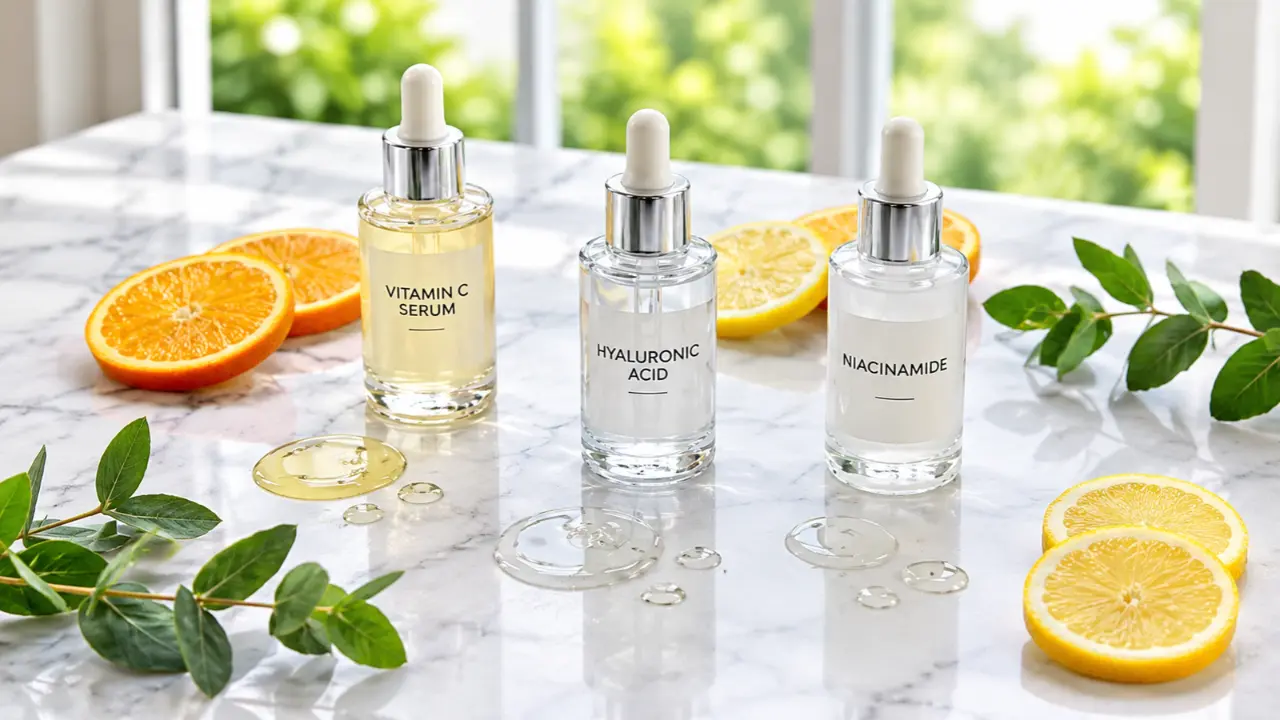
A good skincare routine should make life easier, not turn the bathroom shelf into a collection of expensive bottles with unclear purposes. That is where serumcu deserves attention. Skincare serums have become an important part of personal beauty care because they allow people to address particular concerns, from dryness and uneven skin tone to rough texture and early signs of aging. However, choosing the right product requires more than attractive packaging or impressive promises. Understanding ingredients, knowing how products work, and building sensible daily habits matter far more than following every new beauty recommendation.
Serumcu provides a useful starting point for exploring these subjects. Its skincare-focused approach brings attention to facial serums, cosmetic ingredients, product choices, and everyday beauty routines. For readers who want to make better skincare decisions, these subjects deserve practical discussion rather than exaggerated claims about perfect skin.
Understanding the Place of Facial Serums in Skincare
Facial serums are lightweight skincare formulations designed to deliver particular ingredients to the skin. Unlike traditional moisturizers, which primarily help maintain hydration and support the skin barrier, serums are often formulated around specific concerns.
A person experiencing dryness may look for a hydrating serum, while someone concerned about uneven pigmentation might consider a vitamin C formulation. Another person may prefer niacinamide because of its potential benefits for skin barrier function and the appearance of enlarged pores.
The important point is that a serum should have a clear purpose. Buying a product simply because it is popular rarely produces a satisfying skincare experience.
Serumcu places attention on understanding these differences before choosing products. This approach makes sense because two products with similar packaging can contain entirely different ingredients and serve different purposes.
A serum also does not replace every other skincare product. Cleansing, moisturizing, and sun protection remain essential parts of a sensible routine. Even an expensive facial serum cannot compensate for repeatedly exposing unprotected skin to sunlight.
The Skincare Ingredients Worth Understanding
Ingredient knowledge is one of the most useful skills a skincare consumer can develop. Product descriptions often emphasize attractive results, but the ingredient list provides better clues about what a formulation is designed to do.
Four ingredients deserve particular attention because they appear frequently in modern skincare products and serve distinct purposes.
Hyaluronic Acid for Hydration
Hyaluronic acid is a popular humectant that attracts and holds water. It is commonly included in facial serums designed to improve skin hydration and reduce the appearance of temporary dryness.
People with dry or dehydrated skin may find these formulations useful, particularly when they are applied as part of a routine that includes moisturizer.
For example, someone working in an air-conditioned office may notice tightness or dryness during the day. A hydrating serum can help address that discomfort, although the moisturizer applied afterward also plays an important role.
Serumcu discussions about hydration should distinguish between adding moisture and repairing a damaged skin barrier. These concerns overlap, but they are not identical.
Vitamin C for Uneven Skin Tone
Vitamin C is an antioxidant used in skincare formulations targeting uneven pigmentation and visible signs of sun-related skin aging. It is particularly popular among people looking to improve the appearance of dull or uneven skin.
However, not every vitamin C product performs equally. Formulation stability, concentration, packaging, and storage conditions influence the experience.
A poorly stored product may lose effectiveness over time, especially if it is exposed to excessive heat, light, or air.
People with sensitive skin should introduce vitamin C gradually rather than immediately combining it with several other active ingredients.
Niacinamide for Skin Barrier Support
Niacinamide, also known as vitamin B3, has earned its place in skincare because it supports several useful skin functions.
It can help support the skin barrier, improve the appearance of uneven tone, and reduce the appearance of excess oil in some people.
It is also a practical ingredient for consumers who prefer straightforward routines. Niacinamide appears in different product types, including serums, moisturizers, and cleansers.
When evaluating serumcu-related skincare recommendations, niacinamide is worth discussing because it demonstrates why ingredient selection should depend on an individual’s concerns rather than product popularity.
Retinol for Texture and Visible Aging
Retinol is a vitamin A derivative commonly used in products targeting fine lines, uneven texture, and signs of aging.
It has a stronger adjustment period than many basic hydrating ingredients. New users may experience dryness, redness, peeling, or irritation, particularly when they apply too much or introduce it too frequently.
Starting with a lower-strength formulation and using it gradually is a more sensible approach than chasing immediate results.
Retinol also requires careful use alongside sun protection. People who are pregnant or planning pregnancy should consult a healthcare professional before using retinoid products.
Choosing a Serum According to Your Skin’s Actual Needs
The biggest skincare mistake is choosing products based on someone else’s results. A serum that works well for one person may cause irritation or deliver little benefit to another.
Skin type, existing concerns, product formulation, and personal tolerance should guide the decision.
For dry skin, hydrating ingredients such as hyaluronic acid can be useful. A suitable moisturizer should follow to help maintain hydration.
People with oily skin may prefer lightweight formulations that do not leave a heavy or uncomfortable finish. Niacinamide is one ingredient worth considering, particularly when excess oil and visible pores are concerns.
Sensitive skin requires a more cautious approach. Fragrance, strong exfoliating ingredients, and high concentrations of active compounds can create problems for people who react easily to skincare products.
Combination skin presents a different challenge because the forehead, nose, and chin may become oily while the cheeks remain dry. Choosing products with simple formulations can make it easier to manage these differences without creating an unnecessarily complicated routine.
Serumcu should encourage readers to assess their skin before purchasing anything. A product recommendation is only useful when it addresses a real concern.
Building a Morning and Evening Routine That Makes Sense
A skincare routine does not need ten steps to be effective. Consistency and appropriate product selection matter more than the number of bottles sitting beside the bathroom mirror.
A basic morning routine can begin with a gentle cleanser, followed by a suitable serum, moisturizer, and broad-spectrum sunscreen with SPF 30 or higher.
Vitamin C or a hydrating serum may fit comfortably into this routine, depending on individual needs and product compatibility.
The evening routine can focus on cleansing, treatment, and moisture. Someone using retinol might apply it according to the product instructions after cleansing and follow with moisturizer. Beginners should avoid introducing several active treatments at once.
Serumcu-related skincare guidance should make one point particularly clear: adding products gradually makes it easier to identify what works and what causes irritation.
There is little value in changing five products simultaneously. If the skin reacts badly, identifying the problem becomes unnecessarily difficult.
Why Ingredient Compatibility Matters More Than Product Quantity
Buying several active serums does not automatically produce better skin. In fact, combining products without understanding their ingredients can create irritation.
For example, using retinol alongside strong exfoliating acids may be too irritating for someone with sensitive skin, particularly when both products are introduced at the same time.
This does not mean that every combination is automatically harmful. Compatibility depends on the ingredients, their concentrations, the formulation, and the individual’s tolerance.
A better strategy is to introduce one active ingredient at a time. Give the skin an opportunity to adjust before adding another treatment.
Hydrating ingredients can often complement treatment products, while moisturizer helps maintain skin comfort. Sunscreen remains essential during the day, especially when using ingredients that can increase sensitivity or when treating pigmentation concerns.
This is an area where serumcu can provide genuinely useful information. Readers need practical explanations of product combinations, not claims that mixing more ingredients creates faster results.
Understanding Product Labels Before Spending Money
Skincare marketing can make ordinary products sound extraordinary. Words such as brightening, firming, intensive repair, and age-defying appear frequently on cosmetic packaging.
These descriptions are not enough to judge whether a product deserves a place in a routine.
Consumers should examine the ingredient list, recommended usage, product concentration when disclosed, packaging, and manufacturer’s instructions.
Packaging also matters. Certain antioxidant formulations are sensitive to environmental exposure, so opaque or airtight containers may help protect product stability.
The product’s expiration date and storage instructions deserve attention too. A serum that has changed color, smell, or texture should not be treated as perfectly usable simply because the bottle is not empty.
Price is another area where shoppers need perspective. A higher price does not automatically indicate better ingredients or superior results. An affordable product with a suitable formulation may be a better purchase than an expensive serum that addresses a concern the buyer does not actually have.
Serumcu readers should approach product descriptions with curiosity rather than blind trust.
Common Skincare Mistakes That Can Work Against Your Routine
Even carefully selected products can disappoint when application habits are poor.
One common mistake is applying too much serum. A few drops are often sufficient, depending on the product instructions. Using additional product does not necessarily improve results and may increase the chance of irritation.
Another problem is introducing several active ingredients within a few days. The skin needs time to adjust, and a gradual approach makes reactions easier to identify.
Skipping sunscreen is also a serious mistake, particularly for people concerned about pigmentation and visible skin aging. Daily sun protection supports the results of a skincare routine and helps protect the skin from ultraviolet damage.
Ignoring patch testing can create avoidable problems. Before using a new product regularly, test it on a small area according to appropriate product-testing guidance. Stop using it if a reaction develops.
Finally, unrealistic expectations lead people to abandon products too quickly. Hydration may produce a relatively quick improvement in skin comfort, but concerns such as uneven pigmentation and fine lines can require longer treatment periods. Some concerns also require professional dermatological care rather than another cosmetic product.
Serumcu.com and the Importance of Reliable Skincare Information
Online skincare resources can help consumers understand ingredients, product categories, and daily beauty habits. However, readers should distinguish educational information from medical advice and independently verified product testing.
Serumcu.com has a skincare-oriented identity, making subjects such as facial serums, cosmetic ingredients, product selection, and skincare routines relevant areas of discussion.
When exploring an online resource, readers should consider whether its explanations are clear, whether product claims are supported by credible evidence, and whether it acknowledges possible limitations or side effects.
A responsible skincare article should never promise guaranteed results. Skin responds differently from person to person, and even commonly used cosmetic ingredients can cause unwanted reactions.
Readers should also check whether recommendations identify the intended skin concern and explain appropriate application. Advice that simply tells everyone to use the same product is unlikely to be useful.
The strongest educational content helps readers ask better questions before spending money or changing their routines.
The Growing Importance of Informed Beauty Decisions
Consumers now encounter skincare recommendations through websites, social media, beauty advertisements, and online product reviews. This creates access to useful information, but it also makes it harder to separate practical advice from marketing.
A popular serum may receive positive reviews because it feels pleasant, smells appealing, or has attractive packaging. Those qualities can influence the purchasing experience, but they do not establish that the product will address a particular skin concern.
Reading ingredient information and understanding product limitations should come before following recommendations from influencers or advertisements.
Serumcu has an opportunity to address this gap through clear explanations of cosmetic ingredients, realistic product expectations, and responsible skincare practices.
The most useful beauty information is not the information that encourages people to purchase more products. It is the information that helps them recognize what they need, what they can avoid, and when professional advice is necessary.
Frequently Asked Questions About Serumcu
1. Can I use a facial serum every day?
That depends on the formulation. Hydrating serums are often suitable for daily use, while active ingredients such as retinol may require gradual introduction. Always follow the product instructions and pay attention to your skin’s response.
2. Should I apply serum before or after moisturizer?
Most facial serums are applied after cleansing and before moisturizer. This order allows lightweight formulations to be applied before the thicker moisturizing layer. Individual product instructions should take priority.
3. Is niacinamide suitable for people with sensitive skin?
Many people tolerate niacinamide well, but irritation is still possible. Start with an appropriate formulation, introduce it gradually, and discontinue use if persistent redness, burning, or discomfort develops.
4. How long should I wait before judging whether a skincare serum works?
The answer depends on the ingredient and the concern being addressed. Hydration may improve skin comfort relatively quickly, while pigmentation and texture concerns can take several weeks or longer. Follow the recommended usage period rather than expecting overnight changes.
5. Can I use vitamin C and retinol in the same skincare routine?
They can be included in the same overall skincare regimen, but using them at different times, such as vitamin C in the morning and retinol in the evening, may be easier to tolerate. People with sensitive skin should introduce each ingredient separately.
Conclusion
Good skincare is not a competition to own the most products. It is about making informed decisions, understanding ingredients, and recognizing what the skin actually needs.
Serumcu provides a useful subject for exploring these decisions, from facial serum selection and ingredient knowledge to product safety and everyday routines. The strongest approach is to choose products with a clear purpose, introduce active ingredients carefully, and give consistent habits time to work.
Before buying another bottle, take a closer look at your existing routine. Identify the concern you want to address, examine the ingredients, and decide whether the product offers something genuinely useful. That single habit can save money, reduce unnecessary irritation, and make skincare a much more thoughtful part of everyday life.