
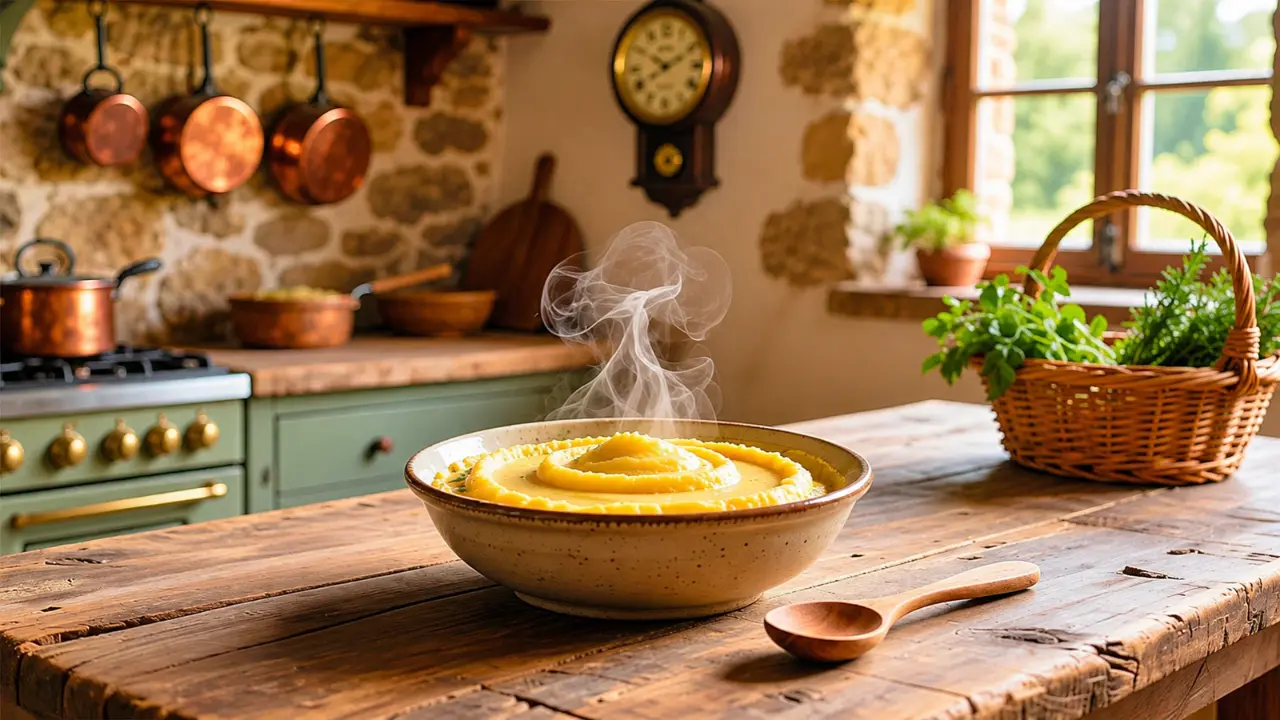
Palentu deserves attention for a reason that has little to do with complicated cooking techniques or expensive ingredients. Its appeal comes from the way a humble cornmeal preparation can become a satisfying meal through patience, good ingredients, and thoughtful serving choices. Across European food traditions, dishes made from cooked cornmeal have earned a lasting place in home kitchens because they are affordable, filling, and remarkably adaptable. Palentu offers an interesting way to explore this tradition, particularly through its connection with palenta and Italian polenta.
What makes this food worth discussing is its flexibility. A warm, creamy preparation can accompany a comforting winter dinner, while a firmer version can be sliced, grilled, or pan-fried. The ingredients remain simple, but the final result changes considerably depending on how it is cooked and what accompanies it.
The Traditional Food Culture Behind Palentu
Cornmeal-based dishes have a long history in European cooking. After maize arrived in Europe from the Americas during the sixteenth century, it gradually became an important ingredient in several regional cuisines. Before maize became widely available, older forms of polenta in parts of Europe were prepared using other grains, including barley, millet, and buckwheat.
As corn cultivation spread, maize flour became a practical choice for households looking to prepare filling meals without expensive ingredients. Northern Italy became particularly associated with polenta, while related preparations developed across the Balkans and neighboring regions.
Palentu fits into this wider culinary tradition through its relationship with palenta, a familiar name for cornmeal preparations in South Slavic food culture. Although regional recipes differ, the central idea remains recognizable: ground corn is cooked slowly in liquid until it develops a smooth, thick consistency.
This history is important because traditional food is rarely shaped by taste alone. Climate, agricultural availability, household budgets, and local customs all influence what people cook. Cornmeal dishes became established because they offered a practical way to feed families using ingredients that were relatively easy to store and prepare.
Palentu, Palenta, and Italian Polenta: Understanding Their Connection
The relationship between palentu, palenta, and polenta is worth understanding before exploring recipes.
Palenta is a word used in parts of the Balkans for a cooked cornmeal dish. Polenta is the internationally familiar Italian name for a similar preparation. The spelling palentu also appears in South Slavic grammatical usage, where it functions as an inflected form of palenta.
These connections do not mean that every regional preparation is identical. Italian polenta, for example, can differ in cornmeal texture, cooking time, consistency, and serving traditions from Balkan versions.
Italian households may serve polenta alongside slow-cooked meat, mushrooms, tomato sauces, or cheese. In Balkan kitchens, related cornmeal dishes may appear with yogurt, sour cream, milk, butter, or local cheeses.
The differences are part of the appeal. Food traditions develop through local preferences rather than following one universal recipe.
Palentu is best explored with this regional context in mind. Instead of assuming there is only one authentic way to prepare it, readers should recognize the shared cooking tradition and appreciate the variations that give each regional dish its character.
The Ingredients That Make a Good Palentu
A good cornmeal preparation does not need an extensive shopping list. Its quality depends more on ingredient selection and cooking technique than on the number of additions.
Cornmeal is the central ingredient. Fine-ground cornmeal produces a smoother result, while medium or coarse varieties create a more noticeable grain texture. The choice depends on the consistency a cook wants to achieve.
Water is the traditional cooking liquid in many recipes. It allows the natural corn flavor to remain prominent and keeps the preparation simple. Milk creates a richer texture, while vegetable or chicken broth adds a deeper savory taste.
Salt should not be overlooked. Even a basic cornmeal dish needs proper seasoning. Without it, the result can taste flat, particularly when served without a strongly flavored sauce.
Butter and cheese are popular additions. Butter gives the cooked mixture a softer mouthfeel, while grated cheese introduces saltiness and richness. Parmesan, feta, and locally produced cheeses can each create a different result.
The best approach is to start with a simple base and add richer ingredients only when they suit the intended meal. Too much butter or cheese can overwhelm the natural flavor of the cornmeal.
How to Prepare Palentu Without Making It Lumpy
The most important part of cooking palentu is controlling the heat and adding the cornmeal gradually. Rushing this process often produces an uneven mixture with dry pockets and unpleasant lumps.
Start by bringing water or another chosen liquid to a gentle boil in a heavy-bottomed saucepan. Add salt before introducing the cornmeal.
Reduce the heat and begin pouring the cornmeal into the liquid slowly. Stir continuously with a wooden spoon or sturdy whisk. Adding everything at once makes it harder to distribute the grains evenly.
Once the mixture starts thickening, maintain a gentle simmer. Stir regularly, paying attention to the bottom and corners of the pan where the mixture can stick.
Cooking time depends on the type of cornmeal. Fine varieties may cook relatively quickly, while coarse or traditionally milled cornmeal can require considerably longer. The package instructions provide a useful starting point, but texture should determine when the preparation is ready.
When the mixture becomes thick and smooth, taste it before serving. Add a little butter or cheese if desired.
A properly cooked palentu should feel pleasant rather than gritty. If it becomes too thick before the grains are fully cooked, add a little hot water and continue stirring.
Patience makes a noticeable difference here. A few extra minutes of gentle cooking can improve the texture more than adding unnecessary ingredients.
Creamy and Firm Preparations Offer Different Dining Experiences
One of the strongest qualities of cornmeal-based cooking is that the same basic preparation can produce two distinctly different dishes.
Creamy palentu is best served immediately after cooking. Its soft consistency makes it suitable as a base for sauces, roasted vegetables, mushrooms, and meat dishes. It works particularly well during colder months, when warm and filling meals are welcome.
Firm palentu requires a slightly different approach. Once the mixture is cooked, transfer it into a shallow dish or baking tray and spread it evenly. Allow it to cool until it becomes firm enough to cut into slices or squares.
These pieces can then be grilled, baked, or pan-fried.
Grilling creates browned edges and a slightly smoky flavor. Pan-frying produces a crisp exterior, while baking offers a convenient way to prepare several portions together.
The contrast between a crisp surface and a soft center makes firm cornmeal preparations especially appealing. They can be served as side dishes, appetizers, or part of a larger meal.
Choosing between the two styles depends on the occasion. Creamy versions are better for spoonable comfort food, while firm versions offer more flexibility when preparing food ahead of time.
Serving Palentu With Foods That Complement Its Flavor
Cornmeal has a mild flavor, which is one reason it pairs successfully with strongly seasoned ingredients.
Mushrooms are among the best accompaniments. Their earthy flavor works naturally with the gentle sweetness of cooked cornmeal. Mushrooms sautéed with garlic, onions, black pepper, and fresh herbs make a particularly satisfying topping.
Cheese is another reliable choice. A little grated hard cheese adds depth to a creamy preparation, while crumbled feta introduces a sharper, saltier contrast. For a richer meal, butter and cheese can be mixed directly into the cooked mixture.
Vegetables also deserve a place on the plate. Roasted peppers, spinach, zucchini, tomatoes, and caramelized onions provide color, texture, and freshness. A tomato-based vegetable sauce can make an otherwise simple serving feel like a complete dinner.
For people who prefer meat-based meals, slow-cooked beef, chicken, and sausages can be served alongside palentu. Their juices create a natural sauce that complements the cornmeal.
A practical serving suggestion is to keep the main preparation relatively simple and allow the accompanying ingredients to provide contrast. This prevents the meal from becoming unnecessarily heavy.
Nutritional Value and What Influences It
Cornmeal provides carbohydrates, which serve as an important source of energy. It also contains smaller amounts of protein, dietary fibre, and minerals, depending on the variety and degree of processing.
Its nutritional composition changes with the type of cornmeal used. Whole-grain cornmeal retains more of the grain’s natural components than heavily refined varieties. It can therefore provide more fibre and certain micronutrients.
The cooking liquid and additional ingredients also matter.
A preparation made with water, cornmeal, and salt will have a different nutritional profile from one containing generous amounts of butter, cream, and cheese. The latter can contain considerably more fat, saturated fat, and calories.
Palentu can be part of a balanced meal when served with vegetables, beans, mushrooms, or another source of protein. Pairing it with fibre-rich vegetables and protein can also make the meal more satisfying.
People with coeliac disease or gluten sensitivity should check product labels carefully. Pure cornmeal is naturally gluten-free, but cross-contamination can occur during processing and packaging. Certified gluten-free products are the safer choice when strict avoidance is necessary.
Portion size matters as well. Although cornmeal can be part of an ordinary balanced diet, large servings with rich toppings can increase the overall calorie content considerably.
Regional Variations Keep Traditional Cornmeal Cooking Interesting
European cornmeal dishes are not defined by one recipe. Their preparation reflects local ingredients, family habits, and the foods available in each region.
In northern Italy, polenta has traditionally accompanied meat stews, mushrooms, sausages, and cheese. In certain areas, it is prepared with particular varieties of locally produced cornmeal.
Across the Balkans, palenta-style preparations are often associated with simple home cooking. They may be served with dairy products, yogurt, sour cream, butter, or regional cheeses.
These serving traditions reflect different approaches to the same basic ingredient. Italian recipes may place greater emphasis on sauces and slow-cooked accompaniments, while Balkan home-style preparations often highlight dairy products and straightforward seasoning.
Palentu provides an opportunity to explore these similarities without overlooking the differences. A recipe passed down through one family may have a completely different consistency or topping from a preparation made in another household.
That is not a problem to correct. It is part of what makes traditional cooking interesting.
Modern Ways to Bring Palentu Into Everyday Meals
Traditional recipes do not need to remain limited to the dishes people prepared generations ago. Cornmeal preparations can work in modern kitchens because they are easy to adapt.
One practical option is preparing a larger batch and using the leftovers the following day. Once cooled and refrigerated, firm cornmeal can be cut into portions and reheated in a frying pan or oven.
Grilled slices can replace bread or serve as a base for vegetables and cheese. Small squares can also be topped with mushrooms or tomato sauce and presented as appetizers.
Another approach is to prepare a softer version with vegetable broth and serve it beneath roasted seasonal vegetables. This creates a satisfying vegetarian meal without requiring complicated cooking.
For breakfast or brunch, a softer preparation can be served with a little butter and cheese. In households that prefer savory morning meals, this can be a welcome alternative to bread-based dishes.
The important point is not to complicate the original preparation. Palentu works best when its simple foundation remains intact and the additions serve a clear purpose.
Storing and Reheating Leftover Palentu
Proper storage makes cornmeal preparations more convenient, especially when cooking for a family.
Allow leftovers to cool before placing them in a covered, airtight container. Refrigerate them promptly and use them within three to four days. Do not leave cooked food at room temperature for extended periods.
Firm leftovers are particularly easy to reuse. Cut them into slices and pan-fry them until both sides develop a golden surface. They can also be reheated in an oven until thoroughly hot.
Creamy leftovers become thicker as they cool. To restore a softer consistency, place them in a saucepan with a little water, milk, or broth. Heat gently while stirring until the texture becomes smooth again.
Avoid adding too much liquid at once. Small additions make it easier to control the final consistency.
These simple storage habits reduce food waste and make traditional cornmeal cooking practical for busy households.
Palentu Shows Why Simple Traditional Cooking Still Matters
A good meal does not need expensive ingredients, complicated preparation, or an impressive presentation. Palentu demonstrates how cornmeal, liquid, seasoning, and careful cooking can produce something genuinely satisfying.
Its connection with Italian polenta and Balkan palenta also reveals how similar ingredients can develop into distinct regional food traditions. The creamy version offers comfort, the firm version provides versatility, and the choice of accompaniments allows cooks to make the dish their own.
The real strength of palentu is its adaptability without losing its traditional character. Rather than chasing complicated variations, start with good cornmeal, cook it patiently, and serve it with ingredients that bring out its natural flavor. That is where this humble preparation earns its place at the table.
Frequently Asked Questions About Palentu
1. Can Palentu be prepared in advance for a family meal?
Yes. You can cook it ahead of time, spread it into a shallow dish, and refrigerate it once cooled. When needed, slice the firm preparation and grill, bake, or pan-fry it. A creamy version can also be reheated with a little additional liquid.
2. Which cornmeal texture is best for preparing Palentu?
Medium-ground cornmeal is a useful starting point because it offers a balance between smoothness and texture. Fine-ground cornmeal produces a softer result, while coarse varieties create a more substantial consistency and may require longer cooking.
3. Why does my cornmeal preparation become lumpy?
Lumps usually develop when cornmeal is added too quickly or without sufficient stirring. Pour it gradually into hot liquid while stirring continuously. Keeping the heat controlled also helps prevent uneven cooking.
4. Can Palentu be served as a complete vegetarian dinner?
Absolutely. Serve it with sautéed mushrooms, roasted vegetables, beans, spinach, or a tomato-based sauce. Adding cheese or another suitable protein source can make the meal more filling.
5. Is Palentu suitable for people avoiding dairy products?
Yes. The basic preparation can be made with water or vegetable broth instead of milk. Butter and cheese are optional, so they can be replaced with suitable plant-based alternatives or omitted entirely. Always check packaged ingredients for unexpected dairy additions.