
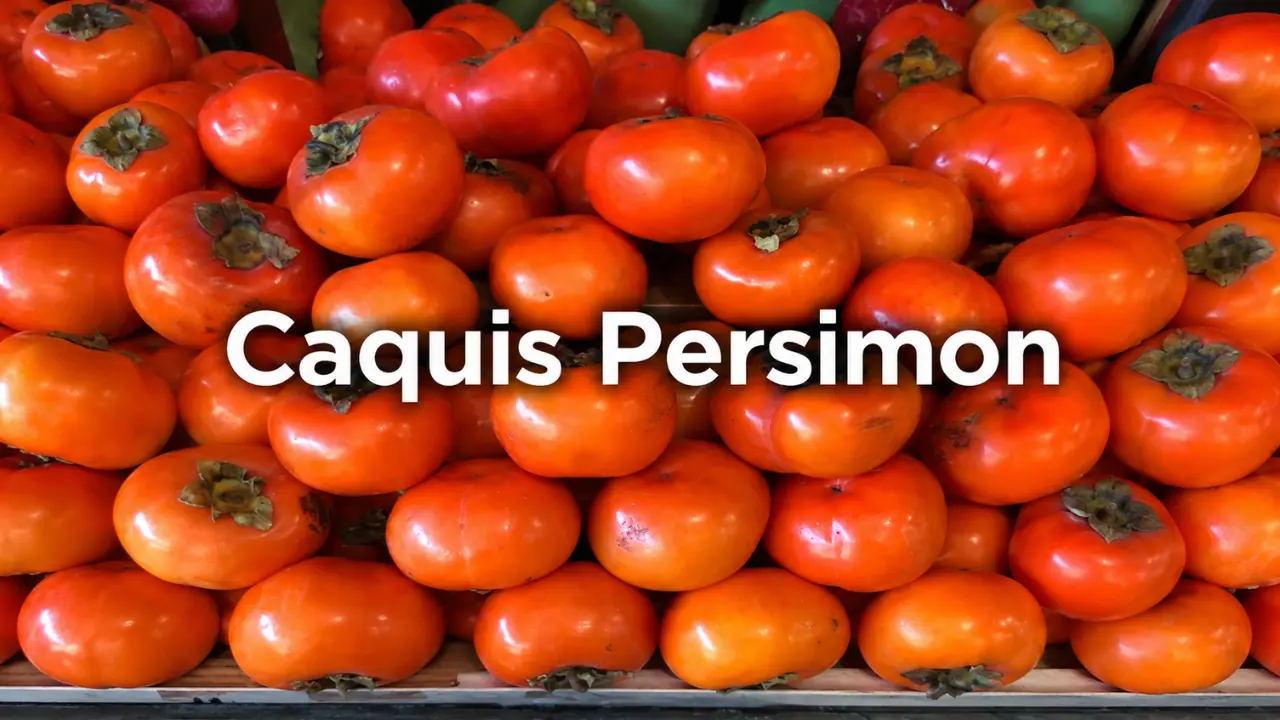
Caquis persimon stands out because it offers something that traditional soft persimmons cannot: a naturally sweet flavour with a firm, satisfying bite. Instead of waiting for the fruit to become extremely soft before eating it, consumers can enjoy its crisp flesh while it still holds its shape. That difference makes it particularly appealing for fresh snacks, fruit salads and everyday cooking. Grown commercially in Spain, especially in the Valencia region, this fruit also carries an interesting agricultural history that explains its distinctive qualities. From its Rojo Brillante variety to its seasonal availability, nutritional composition and culinary uses, caquis persimon deserves attention beyond its attractive orange appearance.
The Spanish Origins Behind Caquis Persimon
The story of caquis persimon is closely connected to the agricultural history of Valencia, Spain. Although persimmons originally came from East Asia, particularly China, the Spanish region developed its own important commercial identity through the cultivation of the Rojo Brillante variety.
This variety originated in the Ribera Alta area of Valencia during the mid-1950s. It developed through a natural mutation of another local persimmon variety known as Cristalino. Farmers gradually recognized its commercial potential because of its attractive appearance, substantial size and naturally sweet flavour.
However, there was one significant challenge. Traditional persimmons can contain high levels of soluble tannins before they reach full ripeness. These compounds create an unpleasant dry, puckering sensation in the mouth. Although the fruit becomes sweeter and softer as it ripens, this texture does not suit everyone.
Spanish producers eventually introduced post-harvest techniques that made it possible to remove the astringency while preserving the fruit’s firm consistency. This development helped establish the commercial success of Persimon® fruit during the late 1990s.
The Ribera del Xúquer Protected Designation of Origin also played an important role in establishing the region’s reputation. Created in 1998 and recognized by the European Commission in 2001, the designation protects the identity and production standards associated with qualifying fruit from the area.
Today, Valencia remains closely associated with Spanish persimmon cultivation, and its agricultural traditions continue to influence how consumers recognize this fruit.
What Makes the Rojo Brillante Variety Different?
The Rojo Brillante variety deserves particular attention because it is central to the identity of caquis persimon. Its physical characteristics and eating qualities distinguish it from softer persimmon varieties.
The fruit typically has bright orange skin, a slightly elongated shape and a substantial amount of juicy flesh. Its appearance is attractive without requiring elaborate presentation, making it suitable for supermarket displays and fresh produce markets.
Its texture is the more important distinction.
A traditional ripe persimmon can become extremely soft, sometimes developing a consistency similar to thick jelly. Rojo Brillante fruit prepared for the Persimon® market retains a firm structure that allows it to be sliced cleanly.
This characteristic changes how people use it. Rather than eating the fruit with a spoon, consumers can cut it into wedges, add it to lunchboxes or arrange it alongside other fresh ingredients.
The flavour is naturally sweet, with a mild fruity character that does not usually require additional sugar when the fruit is eaten fresh.
The skin is also relatively thin, and the fruit can be consumed with its skin after washing. This makes preparation straightforward, particularly when it is being used for salads or quick snacks.
Nutritional Value and the Compounds Found in Caquis Persimon
The nutritional appeal of caquis persimon comes from its combination of dietary fibre, vitamins, minerals and naturally occurring plant compounds.
It is particularly useful as part of a varied diet because it provides sweetness alongside nutrients that contribute to normal body functions.
Dietary fibre is one of its important components. Fibre supports normal digestion and contributes to regular bowel movements. Including fibre-containing fruits in everyday meals can also help make snacks more satisfying.
Vitamin C is another valuable nutrient. It contributes to normal immune system function, supports collagen formation and helps protect cells from oxidative stress.
The fruit also contains carotenoids, including beta-carotene. The body can convert beta-carotene into vitamin A, which contributes to normal vision and supports the maintenance of healthy skin.
Potassium contributes to normal muscle function and helps maintain fluid balance. Although caquis persimon should not be treated as a concentrated mineral supplement, it can contribute to everyday potassium intake.
Its naturally occurring polyphenols and carotenoids are also worth mentioning. These compounds are part of the fruit’s antioxidant profile and contribute to its nutritional interest.
Exact nutritional quantities depend on fruit size, growing conditions and maturity. For an accurate nutritional comparison, it is better to consult a recognized food-composition database rather than assume that every persimmon contains identical amounts.
Health Benefits That Make This Fruit Worth Including in Your Diet
The nutritional composition of caquis persimon makes it a practical addition to meals, particularly for people who want more fruit in their everyday routine.
Its benefits are best understood through the nutrients it supplies rather than exaggerated claims about individual health conditions.
Dietary Fibre Supports Normal Digestion
Fibre is one of the strongest nutritional reasons to include persimmons in a balanced diet. It contributes to normal digestive function and supports bowel regularity.
Eating the fruit with its skin, after washing it properly, also provides an opportunity to consume more of its naturally occurring fibre.
It works particularly well as an afternoon snack because it offers natural sweetness without requiring added sugar.
Vitamin C Contributes to Immune Function
Vitamin C plays an important role in normal immune system activity. It also supports collagen production, which is necessary for the normal function of skin, cartilage and other connective tissues.
Adding vitamin C-containing fruits to regular meals is a sensible way to improve dietary variety.
Carotenoids Support Normal Vision
The orange colour of caquis persimon reflects the presence of carotenoid pigments.
Some carotenoids, including beta-carotene, can be converted into vitamin A. This vitamin contributes to normal vision and supports the maintenance of healthy skin and normal immune function.
Potassium Contributes to Muscle Function
Potassium is an essential mineral involved in nerve signalling, fluid balance and normal muscle activity.
Persimmons provide potassium as part of their natural nutritional composition. They can contribute to a varied diet, although people with specific medical dietary restrictions should follow appropriate professional advice.
When Is the Best Season to Buy Caquis Persimon?
Seasonality has a direct influence on the availability of fresh Spanish persimmons.
The main commercial season for certified Persimon® fruit from Ribera del Xúquer usually runs from October through late January. This makes autumn and early winter the most important periods for consumers looking for fresh Spanish produce.
October marks the beginning of the season, when newly harvested fruit starts appearing in markets. November and December are important months for availability, while January usually brings the season towards its end.
This seasonal pattern is particularly relevant for consumers outside Spain. Imported fruit may appear in supermarkets at different times depending on shipping arrangements, storage and local distribution.
Buyers should also understand that the presence of persimmons in a shop does not automatically mean they are certified Persimon® products. Other persimmon varieties can be sold during the same period.
For the best purchasing experience, check the product label, examine the skin and choose fruit that feels firm without obvious bruising or damaged areas.
How to Select and Store Fresh Persimmons
Choosing good-quality caquis persimon is relatively simple once you know what to examine.
Start with the appearance. Look for an attractive orange colour and smooth skin. Minor natural variations are normal, but extensive bruising, damaged areas or signs of deterioration are reasons to choose another fruit.
Next, consider firmness. One of the defining qualities of Persimon® fruit is its crisp texture, so a fruit that feels reasonably firm is usually the expected choice.
Avoid squeezing it aggressively. Persimmons can bruise, and unnecessary pressure may damage the flesh underneath the skin.
Storage conditions also matter. The official consumer guidance for Persimon® recommends keeping the fruit at room temperature. It should be handled carefully and protected from excessive heat.
If you purchase several fruits, inspect them periodically rather than leaving damaged fruit among the others. This simple habit helps maintain the quality of your fresh produce.
For consumers who prefer chilled fruit, refrigeration can be useful for short-term household storage, although following the storage instructions supplied with the particular product is preferable.
The Best Ways to Eat Caquis Persimon
One of the strongest reasons to choose caquis persimon is its versatility. Its firm texture makes it easier to prepare than varieties that become very soft when ripe.
Fresh consumption remains the simplest option. Wash the fruit, remove the leafy top if necessary and cut it into wedges. Its sweetness and crunchy texture make it suitable for eating without additional ingredients.
Fruit salads are another excellent choice. Combine sliced persimmons with apples, grapes, oranges or pears. The different textures create a more interesting dish, while the fruit’s sweetness helps balance sharper flavours.
For breakfast, chopped persimmon works well with plain yogurt, oatmeal and nuts. This combination provides a mixture of fruit, fibre and other nutrients without requiring complicated preparation.
It can also be used in savoury dishes. Thin slices add a sweet contrast to leafy greens, walnuts and mild cheeses. A simple dressing made with olive oil and lemon juice can bring the ingredients together.
Smoothies offer another option, particularly when the fruit is fully sweet. Blend it with banana, yogurt or another fruit for a naturally sweet drink.
Baking is worth considering too. Sliced persimmons can be used in fruit tarts, cakes and other desserts. Their flavour pairs particularly well with cinnamon and other warm spices.
The important point is not to overcomplicate the fruit. Its natural sweetness and texture are already appealing, so recipes should complement those qualities rather than hide them.
Caquis Persimon vs Traditional Soft Persimmons
The difference between firm Persimon® fruit and traditional soft persimmons is primarily related to texture, preparation and post-harvest treatment.
Traditional astringent persimmons are often best enjoyed when fully ripe and soft. Before reaching that stage, their tannin content can produce a strong drying sensation in the mouth.
Caquis persimon sold under the Persimon® brand undergoes a process that removes this astringency while allowing the fruit to retain its firm structure.
This distinction affects everyday eating habits.
A soft persimmon is often cut open and eaten with a spoon. A firm Persimon® fruit can be sliced, diced or eaten directly like an apple.
Neither eating style is automatically better. The choice depends on personal preference.
However, the firm version has a practical advantage for people who want fruit that can be prepared in advance for salads, breakfast bowls and packed lunches.
It is also important to recognize that not every persimmon variety responds to the same preparation methods. The characteristics of Rojo Brillante and the commercial treatment used for Persimon® products are central to this particular eating experience.
How Authentic Persimon® Products Are Identified
Product identification matters because the terms persimmon, kaki and Persimon® are not interchangeable in every commercial context.
Persimmon is the common name for the fruit, while kaki is another widely used name. Persimon® is a registered trademark associated with specially prepared Rojo Brillante fruit.
Certified products from the Ribera del Xúquer designation carry appropriate identification showing their protected origin and commercial status.
Consumers should examine packaging and individual fruit labels when they want to purchase an officially certified product.
This is especially useful in international markets, where imported persimmons from different growing regions may appear together on supermarket shelves.
A fruit may look similar to a certified Persimon® product without having the same protected geographical origin.
Understanding this distinction helps consumers make informed purchasing decisions instead of relying entirely on colour or appearance.
Why Spanish Persimmon Production Matters
The commercial success of Spanish persimmons is not simply a result of their sweet flavour. It also reflects decades of agricultural development, regional expertise and improvements in post-harvest handling.
Valencia’s relationship with the Rojo Brillante variety demonstrates how a regional fruit can develop a recognizable identity through cultivation and careful product management.
The Ribera del Xúquer designation adds another important dimension by connecting the product with a specific geographical area and established production standards.
For farmers, this identity provides a way to distinguish their produce in competitive markets. For consumers, it offers a clearer understanding of where certified fruit comes from.
The seasonal nature of production also gives the fruit a particular place in autumn and winter food markets.
As international consumers become more familiar with Spanish produce, caquis persimon has an opportunity to reach people who enjoy sweet, firm fruits but may not appreciate the soft texture of traditional persimmons.
Conclusion: A Fruit Best Appreciated for Its Natural Character
Caquis persimon makes its strongest impression through its combination of sweetness, firmness and convenience. Its Spanish agricultural heritage gives it an interesting story, but its everyday usefulness is what makes it worth buying. It can be eaten fresh, sliced into salads, added to breakfast or used in desserts without demanding complicated preparation. Its fibre, vitamin C, carotenoids and potassium also make it a worthwhile addition to a varied diet. The real advantage is simple: consumers get the distinctive flavour of persimmon in a form that is easy to handle and enjoyable to eat. When the season arrives, choose good-quality fruit, respect its natural texture and let the flavour speak for itself.
Frequently Asked Questions
1. Can caquis persimon be eaten without peeling the skin?
Yes. The skin is edible, and many people enjoy the fruit without peeling it. Wash it thoroughly under running water before eating. Its firm texture makes it convenient to slice with the skin intact.
2. Why does my persimmon taste dry or unpleasant?
An unpleasant drying sensation can occur when an astringent persimmon has not received the appropriate treatment or has not reached the correct stage of ripeness. Certified Persimon® products undergo post-harvest treatment designed to remove this astringency while retaining firmness.
3. Can caquis persimon be used in savoury recipes?
Absolutely. Thinly sliced fruit works particularly well in salads containing leafy greens, walnuts and mild cheese. Its sweetness creates a pleasant contrast with savoury ingredients and citrus-based dressings.
4. Is Rojo Brillante the same as every Persimon® fruit?
Rojo Brillante is the variety associated with Persimon® products. However, not every Rojo Brillante persimmon sold commercially is necessarily an officially certified Persimon® product. The registered trademark and protected-origin identification are important distinctions.
5. Can caquis persimon be frozen for later use?
Yes, persimmons can be frozen for later use in smoothies, baking and cooked recipes. However, freezing and thawing can change their original texture, making them less suitable for eating fresh as crisp slices.