
Introduction
The gillingham shopping center emergency shocked shoppers because incidents inside busy retail spaces can change the atmosphere within seconds. A normal shopping trip can quickly become a serious situation when emergency services are called and people nearby are forced to react without knowing exactly what is happening.
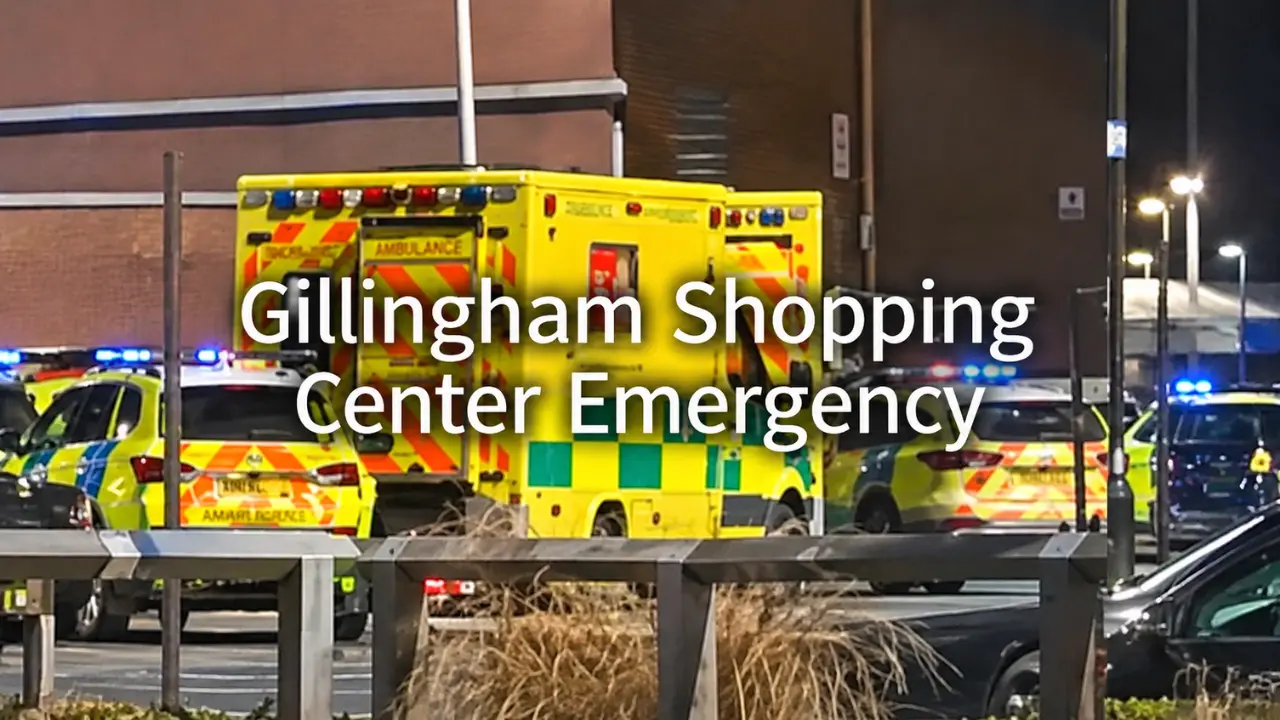
The incident connected with Hempstead Valley Shopping Centre near Gillingham involved a major emergency response after a medical incident. Emergency services attended the scene, and a man in his 30s was later confirmed dead despite efforts to save him. Authorities stated the death was not being treated as suspicious, and a report was expected for the coroner.
The gillingham shopping center emergency became a talking point not only because of the tragedy itself but also because it showed how important preparation, communication, and public awareness are inside crowded places.
What Happened During the Gillingham Shopping Center Emergency
The gillingham shopping center emergency took place at Hempstead Valley Shopping Centre, a well-known retail destination near Gillingham, Kent. The centre serves thousands of visitors and contains shops, restaurants, and public areas where families and shoppers regularly spend time.
Emergency services were called after a medical incident involving a shopper. Police and paramedics attended the location, and life-saving attempts were carried out. Despite the response from emergency teams, the man was pronounced dead at the scene.
For people who witnessed the event, the situation was understandably distressing. Shopping centres are usually associated with everyday activities such as buying groceries, meeting friends, or spending time with family. When an emergency happens in such a familiar environment, the sudden change can leave visitors confused and concerned.
The gillingham shopping center emergency also highlighted how quickly emergency situations can develop in public spaces. Staff members, security teams, and emergency responders often have to make decisions within moments while protecting other visitors nearby.
Why Medical Emergencies in Shopping Centres Require Fast Action
A shopping centre may appear calm and controlled, but it presents challenges when a medical emergency happens. Large crowds, multiple walkways, and limited information can make response efforts more complicated.
During the gillingham shopping center emergency, emergency teams had to reach the person quickly while managing the surrounding area. In situations involving serious medical conditions, every second can matter.
Shopping centres depend on several groups working together:
- Security staff who identify problems and guide people away from affected areas.
- Employees who provide immediate assistance or alert the correct teams.
- Emergency responders who deliver medical care.
- Visitors who avoid interfering and follow instructions.
A common mistake during emergencies is that people gather around to see what is happening. While this reaction is natural, it can create additional pressure for responders and reduce available space.
The best support visitors can provide is staying calm, keeping pathways clear, and allowing trained professionals to work.
The Response From Emergency Services and Shopping Centre Staff
The gillingham shopping center emergency showed the importance of having trained teams available in busy public locations.
Emergency services are prepared to deal with serious incidents, but their work often depends on the actions taken before they arrive. Shopping centre security teams are usually the first people who notice unusual situations and can provide important information.
A strong response involves more than simply calling an ambulance. Staff need to know where the emergency is located, how to guide responders through the building, and how to manage nearby visitors.
Clear communication is especially important. Confusion can spread quickly when shoppers receive incomplete information from different sources.
The response at Hempstead Valley demonstrated the need for cooperation between emergency services and shopping centre teams. The goal is always the same: protect the person affected while keeping other visitors safe.
How Visitors Should React During a Shopping Centre Emergency
The gillingham shopping center emergency is a reminder that shoppers should understand how to respond during unexpected events.
Many people believe they will automatically know what to do during an emergency, but real situations often create stress and uncertainty. Simple actions can make a significant difference.
Visitors should:
- Listen to instructions from security staff or emergency responders.
- Avoid crowding around the incident.
- Keep children and vulnerable people close.
- Do not share unconfirmed information online.
- Move away if staff ask people to clear the area.
The first reaction many people have is curiosity. They want to know what happened. However, staying away from an emergency scene is often the most helpful action.
Emergency workers need space to provide care, move equipment, and communicate with each other.
The Importance of Safety Planning at Hempstead Valley and Other Retail Centres
The gillingham shopping center emergency raises wider questions about safety planning in shopping environments.
Hempstead Valley Shopping Centre has been part of the local community for decades and remains a busy shopping destination. Like other large retail centres, it relies on safety procedures designed to handle unexpected situations.
Emergency planning is not only about dramatic events. It also covers everyday situations such as:
- Medical emergencies.
- Accidental injuries.
- Fire alarms.
- Security concerns.
- Missing children.
Staff training plays an important role because employees are often the first people visitors approach when something goes wrong.
A well-prepared shopping centre does not prevent every emergency, but it can reduce confusion and improve the response when one happens.
How Incidents Like This Affect Local Shoppers and Businesses
The gillingham shopping center emergency affected more than just the people directly involved. Witnesses and nearby shoppers may experience emotional distress after seeing a serious incident in a public place.
For businesses inside shopping centres, emergencies can also create difficult moments. Stores must balance customer safety with keeping communication clear for employees and visitors.
Retail workers often deal with situations that go beyond normal customer service. They may need to assist frightened customers, support security teams, or temporarily adjust store operations.
Events like this remind businesses that emergency preparation should be treated as a regular responsibility rather than something considered only after a problem occurs.
Why Public Awareness Matters During Emergencies
The gillingham shopping center emergency highlights a simple point: public behaviour influences emergency outcomes.
People cannot always control when emergencies happen, but they can control how they respond.
Remaining calm helps prevent additional problems. Following instructions helps emergency teams work faster. Avoiding rumours prevents unnecessary fear.
Social media has changed how information spreads during incidents. Updates can reach large audiences quickly, but incorrect details can create confusion for families, businesses, and authorities.
Responsible sharing matters. Waiting for confirmed information is better than spreading assumptions.
Improving Emergency Preparedness in Shopping Centres
The lessons from the gillingham shopping center emergency apply to shopping centres across the UK.
Retail centres should continue reviewing their emergency procedures, staff training, and communication methods.
Important areas include:
Regular Staff Training
Employees should know emergency routes, reporting procedures, and how to support visitors during difficult situations.
Clear Emergency Communication
Announcements and instructions should be easy to understand. People need simple directions when they are under stress.
Accessible Safety Information
Visitors should be able to identify exits and understand basic safety procedures without difficulty.
Preparedness is not about creating fear. It is about making sure people know what to do when normal life is interrupted.
Final Thoughts on the Gillingham Shopping Center Emergency
The gillingham shopping center emergency was a tragic reminder that serious incidents can happen anywhere, including places people visit every day.
The most important lesson is not about fear. It is about readiness.
Shopping centres are shared spaces where thousands of people interact daily. Keeping those spaces safe requires cooperation between staff, emergency teams, businesses, and visitors.
An emergency cannot always be predicted, but the response can always be improved. Staying calm, respecting safety instructions, and allowing professionals to do their work remain the most effective ways to protect everyone involved.
FAQs
1. Where did the gillingham shopping center emergency happen?
The incident took place at Hempstead Valley Shopping Centre near Gillingham, Kent, which is a major retail location serving the local community.
2. Was the incident treated as a criminal investigation?
Authorities reported that the death connected with the medical incident was not being treated as suspicious.
3. What should shoppers do if they witness an emergency?
Shoppers should stay calm, avoid blocking emergency workers, follow staff instructions, and move away from the affected area if requested.
4. Why are shopping centres prepared for medical emergencies?
Shopping centres handle large numbers of visitors every day, so staff need procedures for dealing with unexpected situations and helping emergency responders.
5. How can visitors stay safer in busy shopping areas?
Visitors can improve their safety by knowing nearby exits, staying aware of their surroundings, keeping children close, and following official instructions during emergencies.