
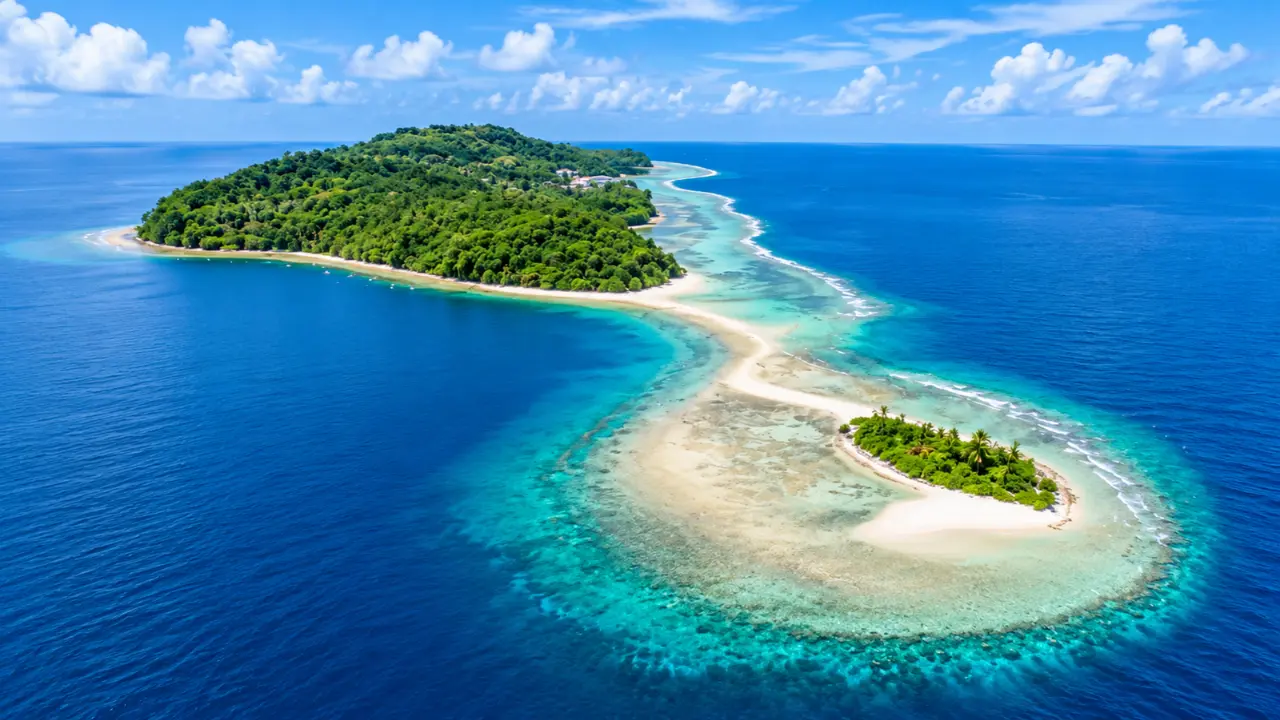
Lucipara deserves far more attention for its natural environment than for its remote location. Situated in Indonesia’s Banda Sea, this group of islands offers an impressive combination of coral reefs, sea turtle habitats, marine wildlife, and relatively undisturbed coastal landscapes. Its importance extends beyond natural beauty. The surrounding waters support marine ecosystems that deserve careful protection, particularly as environmental pressures continue to affect ocean habitats across Southeast Asia.
What makes lucipara particularly interesting is the relationship between its isolated geography and its marine environment. Its reefs provide habitats for marine species, while its surrounding waters support ecological processes that are important to the wider Banda Sea. For anyone interested in Indonesian geography, ocean wildlife, or marine conservation, these islands offer a subject worth understanding in greater detail.
The Geographic Setting of Lucipara in Indonesia
The Lucipara Islands are located in the Banda Sea, within Indonesia’s Maluku Province. This part of the country is known for its scattered islands, deep ocean waters, and strong connection to maritime life. Unlike heavily populated coastal destinations, lucipara has a remote setting that makes access and environmental management more challenging.
The island group is also associated with the name Pulau-pulau Maisel. It consists of seven islands divided into two groups known as Penyu and Maisel. Their position in the Banda Sea places them within an important marine region of eastern Indonesia.
Geography plays a major role in shaping the area’s natural character. The islands are surrounded by open water, coral reef formations, and coastal environments that support marine organisms. Their isolation also means that reaching them requires considerably more planning than visiting established tourist destinations.
Indonesia’s eastern islands are often separated by substantial stretches of ocean. This creates different conditions for transportation, fishing, and conservation. Lucipara is a good example of how an island group’s location can influence both its ecological importance and the practical difficulties involved in protecting it.
Coral Reefs Make Lucipara Ecologically Important
The coral reefs surrounding lucipara are among its most important natural features. Coral reefs are living ecosystems built through the activity of coral organisms over long periods. They provide shelter, feeding grounds, and breeding environments for marine life.
These structures are not simply underwater decorations. Their physical complexity allows different species to occupy different spaces within the same reef. Small fish can hide between coral branches, larger fish can hunt nearby, and other organisms depend on the reef for food and shelter.
Scientific research conducted around the Lucipara Islands has reported medium-to-high coral cover and substantial reef-fish biomass. These findings provide an important indication of the area’s ecological condition and support the case for stronger marine protection.
Healthy coral communities also contribute to the stability of surrounding marine environments. They can reduce wave energy near coastlines, support local fisheries, and maintain habitats that would otherwise be unavailable to many marine organisms.
However, coral reefs are vulnerable. Rising ocean temperatures can cause coral bleaching, while pollution, destructive fishing practices, and physical damage can weaken reef systems. Once extensive coral structures are damaged, recovery can take years or even decades.
That is why protecting the reefs around lucipara should be treated as a serious environmental priority rather than simply an opportunity to promote another remote island destination.
Sea Turtles and Marine Wildlife Around the Islands
Sea turtles are another important part of the natural environment surrounding lucipara. The islands have been associated with green turtles and hawksbill turtles, two species that play important roles in marine ecosystems.
A 2021 expedition conducted by the Coral Triangle Center recorded more than 1,100 turtles around the islands. Most of the recorded animals were green turtles and hawksbill turtles. This finding demonstrated the importance of the surrounding waters as a habitat for marine wildlife.
Green turtles are particularly interesting because of their feeding habits. Adults often consume seagrasses and algae, helping influence the condition of coastal marine habitats. Their feeding activity can contribute to the maintenance of healthy seagrass environments.
Hawksbill turtles have a different ecological role. They are known for feeding on certain marine invertebrates, including sponges. By influencing the abundance of these organisms, hawksbill turtles contribute to the balance of reef communities.
Both species face serious threats in different parts of the world. Accidental capture in fishing equipment, habitat destruction, marine pollution, illegal wildlife trade, and disturbance of nesting beaches can affect their survival.
The presence of these turtles around lucipara makes responsible environmental management especially important. Protecting their feeding areas and surrounding marine habitats can help support wildlife populations while preserving the wider ecosystem.
The Marine Biodiversity of the Banda Sea
The Banda Sea provides a setting for a rich range of marine habitats. Its waters connect islands, reefs, and deeper ocean environments, creating conditions that support different forms of marine life.
Around lucipara, coral reef communities provide habitats for fish, invertebrates, and other organisms. Reef fish are particularly important because they participate in several ecological processes, including grazing, predation, and nutrient cycling.
Herbivorous fish feed on algae that grow around coral structures. Without sufficient grazing activity, algae can spread across reef surfaces and compete with corals for space. Predatory fish help regulate populations of smaller marine animals, contributing to the natural balance of the ecosystem.
The relationship between these species is important. A reef cannot remain healthy simply because coral is present. Its condition also depends on the animals that live within it and the environmental conditions that support their survival.
Research conducted in the Lucipara region has examined coral cover and reef-fish biomass, providing useful evidence for understanding the condition of these ecosystems.
The findings also highlight why marine surveys should continue. A single expedition cannot describe every species, seasonal change, or environmental pressure affecting an entire island group. Regular monitoring provides a clearer picture of whether marine habitats are improving or deteriorating over time.
For researchers and conservation organizations, lucipara offers an important opportunity to study the relationship between relatively isolated reef systems and marine biodiversity in eastern Indonesia.
Why Marine Conservation Is Important for Lucipara
The ecological value of the islands makes conservation a central issue. Marine environments can appear untouched from the surface while facing pressures that are difficult to identify without scientific monitoring.
Fishing activity is one area that requires careful management. Local communities depend on marine resources for food and livelihoods, but fishing practices must remain within sustainable limits. Excessive fishing can reduce important species populations and disturb the natural balance of reef ecosystems.
Marine pollution presents another challenge. Plastic waste, abandoned fishing equipment, and other forms of debris can damage coastal habitats and threaten marine animals. Sea turtles, in particular, can be affected when they encounter plastic materials in the water.
Climate change creates a wider threat. Increasing sea temperatures can trigger coral bleaching, while changes in ocean conditions may affect species distribution and reef health. These pressures are not limited to Indonesia, but remote island ecosystems still need local protection and monitoring.
Conservation around lucipara therefore requires more than occasional clean-up activities or wildlife observations. It needs a long-term approach that considers fishing, habitat protection, scientific research, and community involvement together.
Protecting marine life without considering the people who depend on the sea would create an incomplete conservation strategy. Local knowledge and participation are important when deciding how marine resources should be managed.
Marine Protected Area Development and Future Planning
One of the most significant developments involving lucipara is the work toward establishing and managing a marine protected area.
Conservation organizations and Maluku authorities have been involved in research, planning, and discussions concerning marine protection in the region. These efforts include scientific surveys, zoning considerations, and sustainable fisheries management.
A marine protected area can help establish rules for activities taking place within designated waters. Depending on its final boundaries and regulations, it may provide protection for coral reefs, wildlife habitats, and important fishing grounds.
However, declaring an area protected is only the beginning. Effective management requires clear boundaries, practical regulations, monitoring systems, and cooperation with local communities.
For example, a protected zone may restrict certain fishing activities in sensitive habitats while allowing regulated activities elsewhere. Such arrangements can help balance ecological protection with the needs of people who rely on marine resources.
The success of future conservation plans around lucipara will depend on how effectively these arrangements are implemented.
It is also important to distinguish between conservation planning and completed legal protection. Work toward establishing a marine protected area does not automatically mean every part of the islands’ surrounding waters already has full protected status.
Understanding this distinction helps readers avoid misleading claims about the current conservation situation.
Visiting Lucipara: What Makes Its Remote Location Challenging?
The islands may attract interest from travelers, divers, photographers, and marine researchers, but visiting lucipara is not comparable to booking a trip to a well-developed Indonesian holiday destination.
Its remote position in the Banda Sea means transportation requires careful planning. Visitors may need to arrange boat transfers, coordinate with local operators, and consider weather and sea conditions before traveling.
Accommodation and visitor facilities may also be limited compared with popular destinations such as Bali or Lombok. Travelers should not assume that hotels, restaurants, medical facilities, and regular transport services are readily available.
A responsible visit begins with realistic expectations. Anyone planning an expedition should confirm transportation arrangements, local permissions, safety provisions, and suitable travel seasons with knowledgeable local operators.
Marine activities also require care. Divers and snorkelers should avoid touching coral, disturbing turtles, collecting marine organisms, or leaving waste behind. Even small actions can damage sensitive habitats when repeated by large numbers of visitors.
For photographers, observing wildlife without approaching too closely is equally important. Sea turtles and other marine animals should be allowed to behave naturally without being chased or disturbed.
Lucipara’s remote character is part of its appeal, but it also creates responsibilities for anyone considering a visit.
The Scientific Importance of Studying Lucipara
Beyond geography and travel, the islands have value for scientific research. Their surrounding marine environments provide opportunities to study coral reef conditions, fish populations, sea turtle activity, and conservation management.
Long-term research is particularly useful because marine ecosystems change over time. Coral cover can decline following bleaching events, fish populations can respond to fishing pressure, and wildlife activity can vary according to seasonal conditions.
By comparing observations from different years, researchers can identify changes that might not be obvious during a single visit.
The 2023 research examining coral reef communities around lucipara contributes to this understanding by documenting coral cover and reef-fish biomass. Such evidence can help conservation planners identify important habitats and assess where protection may be most useful.
Scientific work also provides a foundation for informed decisions. Rather than choosing conservation boundaries based entirely on assumptions, authorities can use field observations to understand which areas contain important ecological features.
This makes continued research valuable not only for scientists but also for fisheries managers, conservation organizations, and local communities.
Lucipara and Its Connection to Indonesian Natural Heritage
Indonesia’s natural heritage includes far more than its famous beaches and developed tourist islands. Its eastern regions contain remote landscapes and marine environments that are important to the country’s environmental identity.
Lucipara represents this lesser-known side of Indonesia. Its island geography, coral reefs, and marine wildlife demonstrate the ecological value of places that receive less international attention than established holiday destinations.
Its importance is also connected to the broader Coral Triangle region, which is widely recognized for its exceptional marine biodiversity. The region supports a wide range of coral and fish species and is an important area for marine conservation.
The future of these environments depends on decisions made at both local and national levels. Responsible fisheries management, scientific monitoring, pollution control, and habitat protection all contribute to the long-term health of marine ecosystems.
There is little value in promoting natural beauty while ignoring the environmental conditions that allow it to exist. The strongest way to appreciate lucipara is to understand why its marine habitats matter and what is required to preserve them.
Frequently Asked Questions About Lucipara
1. How many islands make up the Lucipara Islands?
The Lucipara Islands consist of seven islands, traditionally divided into two groups known as Penyu and Maisel. They are located in Indonesia’s Banda Sea within Maluku Province.
2. What types of sea turtles have been recorded around Lucipara?
Green turtles and hawksbill turtles have been recorded around the islands. A 2021 expedition by the Coral Triangle Center documented more than 1,100 turtles, with these two species making up most of the recorded observations.
3. Is Lucipara suitable for ordinary holiday travelers?
Lucipara is better suited to travelers who have experience with remote destinations and can arrange suitable transportation and local assistance. Limited facilities and the islands’ isolated location make advance planning essential.
4. Why are coral reefs around Lucipara worth protecting?
The reefs provide feeding and breeding habitats for marine organisms, support fish populations, and contribute to the health of surrounding ocean ecosystems. Protecting them also helps maintain habitats used by important marine species.
5. Does Lucipara already have a fully established marine protected area?
Conservation planning and development work have been underway with involvement from relevant organizations and Maluku authorities. However, proposed protection and completed legal designation are different stages, so the latest official status should be checked before making a definitive claim.
Conclusion
Lucipara should not be judged by how easily it can attract tourists or how frequently it appears in travel discussions. Its real importance lies beneath the surrounding waters, where coral reefs, fish populations, and sea turtles form an interconnected marine environment.
The research already available provides strong reasons to take these islands seriously. The recorded turtle populations, documented reef conditions, and ongoing conservation planning all point to an area with considerable ecological value.
But natural importance does not guarantee long-term survival. Without effective fisheries management, habitat monitoring, and practical conservation measures, the same marine environment that makes lucipara special could gradually deteriorate.
The challenge now is to protect these islands before environmental damage becomes harder to reverse. Their value should be measured not by how many people visit them, but by whether their marine ecosystems remain healthy for generations to come.