
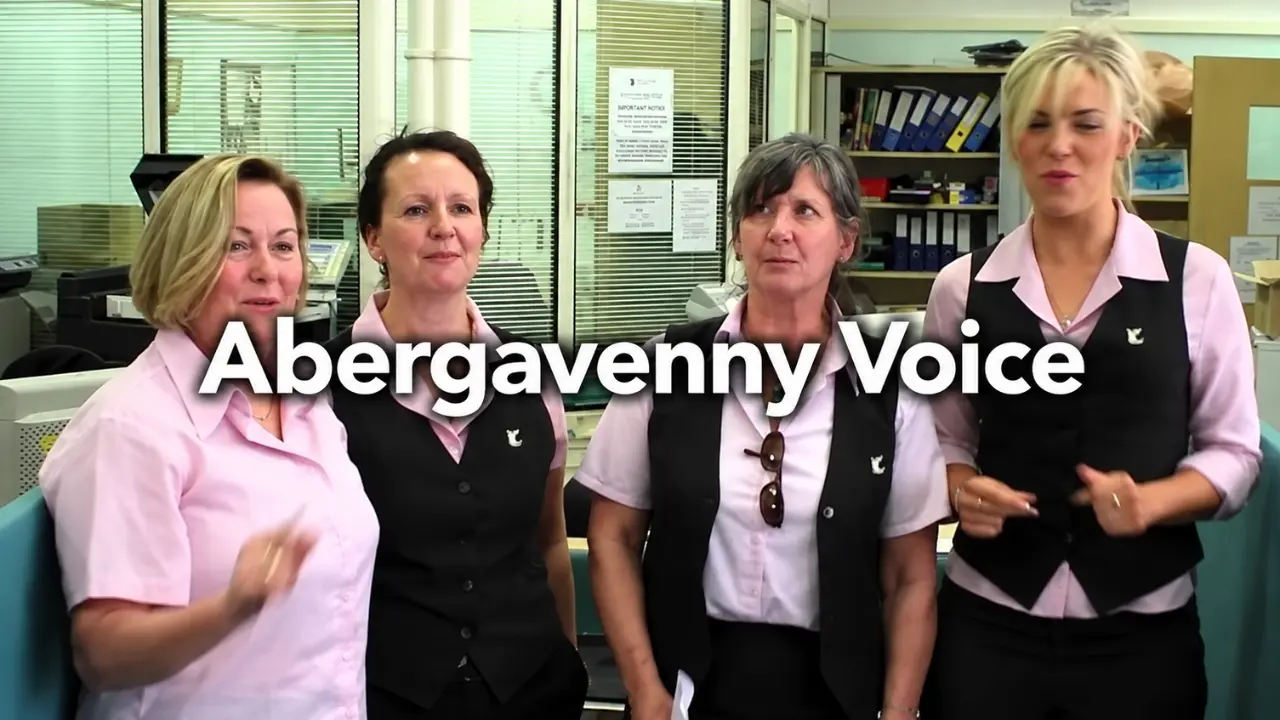
Abergavenny Voice shows how a local conversation can grow into something much bigger than its original purpose. What began as a Facebook group connected to a debate about a proposed McDonald’s restaurant eventually became a place where thousands of people could discuss matters affecting their town. Its story says something important about modern community life: residents do not always wait for traditional media or official announcements to have their say. They want a place where they can ask questions, share experiences, challenge decisions and hear directly from other people who live nearby.
That influence comes with responsibility. A community group can help residents understand local issues, but it can also spread inaccurate information or turn disagreements into personal arguments. The real value of Abergavenny Voice depends on how people use the platform, how discussions are managed and whether members remain focused on the community rather than individual disputes.
The Story Behind Abergavenny Voice
The history of Abergavenny Voice is particularly interesting because the group did not begin with an ambitious plan to become a major community discussion space. Its origins were much more specific.
According to reporting by the Abergavenny Chronicle in February 2023, the group originally operated under the name Yes to McDonalds. It was established by Craig Titchener and a work colleague during discussions surrounding a proposed McDonald’s restaurant in Abergavenny.
The debate attracted attention from people with different opinions about the proposal. For residents, the discussion involved more than a restaurant opening. It touched on local development, business opportunities, convenience and the character of the surrounding area.
The group gradually attracted a wider audience. When the McDonald’s restaurant in Llanfoist opened in 2016, the Facebook community had approximately 2,000 members. Its purpose had already started moving beyond the original discussion.
The change to Abergavenny Voice reflected that development. Rather than concentrating on one restaurant-related issue, the group became associated with wider conversations about the town and its residents.
In February 2023, the Abergavenny Chronicle reported that the group had almost 30,000 members. This was a significant milestone for a community that had started with a relatively narrow local debate.
The same report covered the founder’s decision to step down after nine years, with administration handed over to Hannah and Pete Hill. This change marked another important stage in the group’s development.
Why Local Facebook Groups Matter to Abergavenny Residents
Local information is not always easy to find. Official announcements may appear on council websites, community updates may circulate through different organisations, and individual businesses often publish information on their own social media pages.
For residents trying to understand what is happening around them, this scattered approach can be frustrating.
Abergavenny Voice offers a different way to encounter local conversations. Members can share questions, discuss experiences and bring attention to matters that might otherwise receive little notice.
Imagine a resident looking for recommendations for a local tradesperson. Another person might want to know whether a particular road is affected by disruption. Someone else may have a question about an upcoming community activity.
These are ordinary concerns, but they matter to the people dealing with them.
A local Facebook group makes it possible for residents to exchange information without having to search through multiple websites. It also allows people with direct experience to contribute their perspective.
That is the strongest argument for community groups. They make local communication more accessible.
However, accessibility should never be confused with accuracy. A comment from a resident can be useful, but it is not automatically an official statement or verified report.
Abergavenny Voice and the Power of Public Opinion
One of the most important aspects of Abergavenny Voice is its connection with public opinion.
Traditional local reporting often focuses on established developments, official statements and events considered newsworthy. Community discussions can reveal a different side of public life: what residents are actually concerned about, what they appreciate and which decisions create disagreement.
The group’s original McDonald’s discussion is a clear example. A proposed restaurant became the starting point for a much larger conversation involving local preferences and development.
Public opinion is not always unanimous, and that is perfectly reasonable. Residents have different priorities. One person may welcome new businesses because they create employment and provide convenience. Another may worry about traffic, planning decisions or changes to the local environment.
Abergavenny Voice gives people an opportunity to express those differences.
The value of such conversations depends on whether people are willing to listen as well as speak. Disagreement can help residents understand an issue from another perspective. Personal attacks and unsupported accusations do the opposite.
A healthy community discussion should make the subject clearer, not make the people involved feel unwelcome.
How Abergavenny Voice Can Support Local Businesses
Independent businesses are an important part of everyday town life. Local shops, tradespeople, restaurants and service providers depend on visibility and relationships with customers.
A community Facebook group can help residents discover businesses they might not otherwise encounter.
For example, someone looking for a reliable plumber may ask other members about their experiences. A person new to the area might request suggestions for places to eat. A small business owner could share information about a service or a local offer, provided the group’s rules allow it.
These conversations can create useful connections between customers and local businesses.
Recommendations carry particular value when they include practical details. A comment explaining why a tradesperson was reliable is more useful than a simple statement saying that a business is good. Information about communication, punctuality, workmanship and pricing gives readers something they can assess.
Still, residents should treat online recommendations with sensible caution.
A positive comment does not guarantee that a business will deliver the same experience to every customer. Before hiring someone, people should check qualifications where relevant, agree on costs and confirm the details of the work.
Abergavenny Voice can introduce residents to local services, but the final decision should be based on proper checks rather than popularity in a comment thread.
Community Support Is More Valuable Than Online Arguments
The strongest community groups are not built around arguments. They become useful when members share information that helps other people deal with everyday situations.
Abergavenny Voice has the potential to support this kind of interaction through neighbourhood questions, recommendations, local announcements and conversations about community concerns.
Abergavenny Focus magazine provided an example of this practical role in its July 2023 coverage. It described how members used the group to share photographs and organise a response after a town planter was damaged.
It may sound like a small incident, but it illustrates an important point. Local pride often appears through modest actions rather than major campaigns.
A damaged public planter is not necessarily a major news story. Yet residents may care about the appearance of their streets, the condition of shared spaces and the effort involved in maintaining them.
When people use a community group to draw attention to such matters, the discussion can encourage others to take an interest.
The same principle applies to lost property, local fundraising, neighbourhood assistance and community activities. A useful post can reach people who have relevant information or are willing to help.
This is where Abergavenny Voice can make a practical difference. Its value is not measured only by how many people see a post, but by whether the discussion leads to something constructive.
The Challenges of Managing a Large Community Group
A Facebook group with a substantial membership needs clear administration. As membership grows, so does the range of opinions, expectations and potential disagreements.
The change in administration reported in 2023 highlights an important part of the group’s history. Craig Titchener’s decision to step down after nine years meant that Hannah and Pete Hill took responsibility for managing the community.
Running a large online group is not simply a matter of approving membership requests. Administrators may have to deal with complaints, inappropriate comments, disputes between members and posts that require moderation.
The difficulty is that people often have different expectations about what should be allowed.
One member may consider a controversial post an important contribution to public discussion. Another may see the same post as unnecessary or offensive. Administrators must apply the group’s rules consistently while recognising that disagreement is part of community discussion.
A clear moderation approach matters because members need to understand what is acceptable.
Without consistent rules, discussions can become dominated by personal conflicts. People who have useful information may stop contributing because they do not want to become involved in arguments.
Abergavenny Voice therefore faces the same challenge as other large online communities: keeping discussion useful without trying to eliminate every difference of opinion.
The Difference Between Community Discussion and Verified Local News
An important distinction needs to be made when discussing Abergavenny Voice.
A Facebook community group and a professional news publication do not perform exactly the same role.
A resident can share a photograph, describe an experience or report something they have noticed. That contribution may be valuable, especially when it concerns an issue affecting nearby people.
However, a social media post is not automatically verified journalism.
Traditional local reporting normally involves editorial decisions, checking information and seeking responses from relevant sources. A Facebook discussion can begin with an individual account that has not been independently confirmed.
This difference matters when posts involve serious allegations, emergencies, public safety or claims about local organisations.
Readers should check important information through appropriate official channels. If a post concerns a council decision, for example, the relevant council announcement or published documentation is a stronger source than an unverified comment.
The same caution applies to photographs and videos. Images can lack context, and a short description may leave out important details.
Abergavenny Voice is most useful when residents treat it as a place to exchange local information and perspectives, not as a replacement for every other source.
How Residents Can Participate More Responsibly
The quality of a community group is shaped by its members. Administrators can establish rules, but everyday behaviour determines whether those rules lead to useful conversations.
A good contribution should provide information that other residents can understand and assess.
If someone is reporting a local problem, including the location, date and relevant details can make the post more useful. If the information is uncertain, saying so is better than presenting an assumption as fact.
Respect matters just as much.
People should be able to disagree about local development, business decisions, public services and neighbourhood concerns without being personally attacked. Criticising a decision is different from targeting the person expressing an opinion.
Privacy also deserves attention. Sharing another person’s photograph, personal information or private conversation without permission can create unnecessary problems. Residents should think carefully before publishing details that could identify or embarrass someone.
Abergavenny Voice becomes a more useful space when members focus on information, practical questions and respectful discussion.
There is no need for every post to become a debate. Sometimes a straightforward answer is all another resident needs.
Abergavenny Voice and the Future of Local Communication
The development of Abergavenny Voice reflects a change in how people participate in discussions about their communities.
Residents no longer have to rely exclusively on traditional newspapers, noticeboards or official meetings to raise everyday questions. Social media gives them another place to communicate, share observations and respond to local developments.
That does not make traditional local journalism less important. In fact, the two can serve different purposes.
Community groups can reveal concerns and experiences that deserve further attention. Professional journalists and official organisations can provide additional verification, context and accountability.
The relationship between these forms of communication is more useful than treating them as competitors.
For Abergavenny, the long-term value of its online community will depend on whether discussions remain relevant to residents and whether members continue to contribute responsibly.
A large membership is impressive, but numbers alone do not demonstrate community value. A group becomes genuinely useful when people can find reliable recommendations, discover relevant information, raise legitimate concerns and have conversations without unnecessary hostility.
Abergavenny Voice has an interesting history because it grew from a specific local disagreement into a much broader community space. Its next chapter should be judged by what residents gain from participating, not simply by how active its Facebook page appears.
Conclusion: A Community Group Is Only as Good as Its Conversations
Abergavenny Voice demonstrates that local influence does not always begin with a formal organisation or a major publication. Sometimes it starts with a discussion between residents who want their opinions heard.
Its journey from Yes to McDonalds to a community group with almost 30,000 members reported in 2023 is a striking example of how an online conversation can develop beyond its original purpose.
But growth brings responsibility. Members need to distinguish facts from personal opinions, administrators need to maintain fair standards, and residents should think carefully about what they share.
The real achievement of Abergavenny Voice will not be another membership milestone. It will be a community where people leave discussions better informed, local concerns receive constructive attention and differences of opinion do not destroy the sense of belonging that brought residents together in the first place.
Frequently Asked Questions
1. Was Abergavenny Voice always known by its current name?
No. The group originally started as Yes to McDonalds. Its name changed as discussions expanded beyond the proposed restaurant and developed into wider community conversations.
2. Why did the original Facebook group attract so much attention?
The initial discussion concerned a proposed McDonald’s restaurant in the Abergavenny area. The issue attracted different opinions about local development, business activity and convenience, helping the group attract a wider audience.
3. What happened when the original founder stepped down?
According to the Abergavenny Chronicle’s February 2023 report, Craig Titchener stepped down after nine years, handing administration responsibilities to Hannah and Pete Hill.
4. Can local businesses use Abergavenny Voice to reach potential customers?
Community discussions can help residents discover local businesses and services. However, business promotion depends on the group’s rules, and recommendations should be supported by genuine customer experiences.
5. Should residents rely on Abergavenny Voice for urgent or official information?
No. Although members may share useful local observations, urgent information and official announcements should be checked with the relevant emergency services, council or responsible organisation. Social media posts should not replace verified information.