
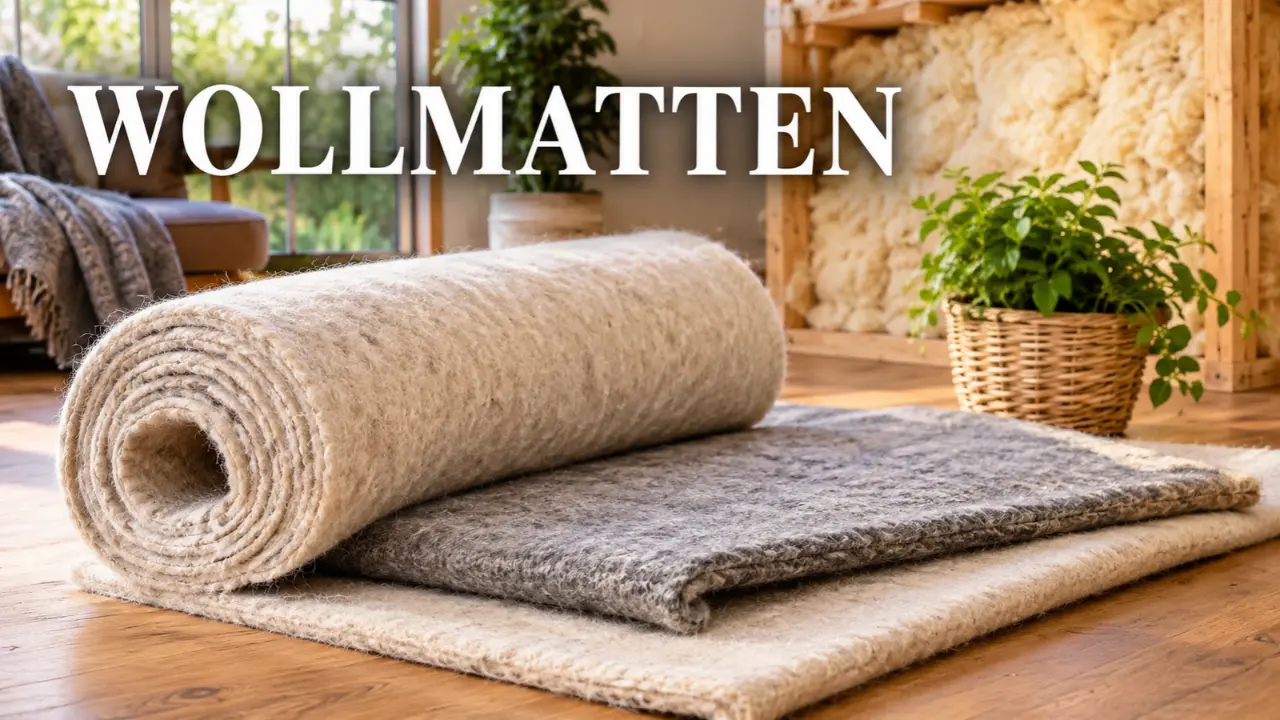
Choosing the right mat is not simply a matter of appearance. The material determines how well it handles moisture, how comfortable it feels, how long it lasts, and whether it suits the environment where it will be used. Wollmatten deserve attention because wool offers a combination of softness, insulation, flexibility, and moisture management that synthetic materials do not always provide. However, not every wool mat performs the same way. A decorative floor covering, a gardening mat, and an insulation layer have different requirements, and buying one without considering its intended purpose can lead to disappointment.
The real value of wollmatten lies in their adaptability. Made primarily from natural wool fibers, these products can serve households, construction projects, workshops, and gardens. Their performance depends on fiber quality, density, manufacturing methods, and the conditions in which they are installed. Understanding these differences makes it easier to choose a product that delivers practical benefits rather than relying on attractive packaging or environmental claims.
How Wool Fibers Give Wollmatten Their Practical Advantages
Wool has physical characteristics that make it useful in different environments. Its fibers have a naturally irregular structure, with tiny scales and a flexible composition. When processed into a mat, these fibers can form a material that traps air, provides cushioning, and manages moisture.
Thermal insulation is one of the strongest reasons to consider wollmatten. Air trapped between wool fibers slows heat transfer, helping an insulated space maintain a more stable temperature. This property makes suitable wool-based products useful in building insulation, particularly in roofs, walls, and interior structures.
Moisture management is another important characteristic. Wool can absorb water vapor from surrounding air and release it when environmental conditions become drier. This behavior can help manage humidity within suitable building assemblies. It does not make wool waterproof, though. A wool mat exposed to persistent water or poor ventilation may develop problems if it cannot dry properly.
The fibers also provide a naturally soft surface. This makes wool suitable for floor coverings, protective layers, and cushioning applications. Its flexibility allows manufacturers to produce mats in different thicknesses and densities without losing the basic characteristics that make wool useful.
Different Types of Wollmatten and Where They Work Best
The biggest mistake buyers make is treating every wool mat as interchangeable. Construction materials need different properties from decorative coverings, while garden products must withstand outdoor conditions. Understanding the main categories prevents unsuitable purchases.
Wool Felt Mats for Household and Creative Uses
Wool felt mats are made by compressing and interlocking wool fibers through a felting process. The resulting material has a relatively dense structure and can be produced in different thicknesses.
These mats work well as furniture protectors, table coverings, craft surfaces, and decorative accessories. Their soft texture helps reduce direct contact between hard surfaces, making them useful beneath decorative objects or furniture.
In creative workshops, wool felt provides a convenient surface for sewing, cutting, needlework, and other activities. It can also be shaped into smaller protective pieces for storage boxes and household accessories.
For home interiors, appearance matters alongside performance. Buyers should check whether a felt product contains pure wool or a blend of natural and synthetic fibers, particularly when natural material content is an important purchasing requirement.
Sheep-Wool Insulation Mats for Buildings
Insulation mats made from sheep’s wool have a more technical purpose. They are designed to fit into building structures where temperature control and moisture management matter.
They can be installed in suitable roof spaces, timber frames, walls, and other building cavities. Their flexible construction may make fitting easier around irregular spaces, although correct installation remains essential.
The density and thickness of an insulation product influence its thermal performance. Buyers should look for declared thermal conductivity values, commonly expressed as lambda values in W/m·K, rather than assuming that a thicker product automatically provides better insulation.
Wollmatten intended for construction should also be checked for fire performance, pest protection, moisture suitability, and applicable building standards. A product designed for decorative use should never be substituted for certified building insulation.
Decorative Wool Mats for Comfortable Interiors
Decorative wool mats bring warmth and texture into living spaces. They can be placed beside beds, beneath small tables, in reading areas, or in other parts of a home where a softer surface is desirable.
Wool’s natural texture gives these products a distinctive appearance. Depending on the weaving or felting method, a mat may have a smooth finish, a dense felted surface, or a more textured appearance.
However, decorative appeal should not be the only purchasing consideration. A mat placed in a busy hallway needs greater durability and easier maintenance than one used beside a bed. The backing material also matters because a slippery mat can become a household safety problem.
Garden Wool Mats for Soil and Plant Protection
Garden applications are particularly interesting because wool can serve purposes beyond ordinary ground covering. Sheep-wool mats may be used around plants, in landscaping, and in certain erosion-control applications.
Depending on their construction, these products can help cover exposed soil, reduce direct exposure to sunlight, and manage moisture around plant roots. Their fibrous structure can also contribute to physical protection against surface disturbance.
Some agricultural and horticultural applications use wool-based materials as biodegradable alternatives to conventional coverings. However, performance depends on the product, climate, soil conditions, and installation method.
Gardeners should check whether a particular mat is designed for direct soil contact. Treatments, binding materials, and fiber blends can affect how a product behaves outdoors and how it breaks down over time.
Why Wollmatten Can Be a Better Choice Than Synthetic Alternatives
Synthetic mats often have advantages in price, water resistance, and ease of cleaning. They can be suitable for wet environments, heavy-duty industrial settings, and areas where frequent washing is necessary.
Wool offers a different set of strengths.
Its natural fiber structure provides insulation, cushioning, and moisture-vapor absorption. These characteristics make it attractive for applications where comfort and temperature management matter more than complete resistance to water.
Environmental considerations also deserve attention. Sheep’s wool is a renewable natural material, provided it comes from responsibly managed production. Products made from wool can offer an alternative to mats manufactured entirely from petroleum-based synthetic fibers.
Still, natural does not automatically mean environmentally harmless. Sheep farming has land, water, and greenhouse gas considerations. Processing wool requires cleaning, transportation, and sometimes chemical treatments. A mat containing wool may also include synthetic backing or adhesives.
The sensible approach is to compare the complete product rather than focusing on one material claim. Check the fiber composition, manufacturing information, durability, and disposal options before deciding.
The Disadvantages Buyers Should Consider Before Purchasing
Wool mats have genuine strengths, but they are not suitable for every situation.
Price is one consideration. Wool products can cost more than basic synthetic alternatives because of raw material sourcing and manufacturing requirements. For a small decorative application, the additional cost may be reasonable. For a large area with heavy wear, buyers should compare expected lifespan and maintenance expenses.
Cleaning is another concern. Wool can be damaged by excessive heat, aggressive detergents, and unsuitable washing methods. A product that looks attractive in a showroom may become inconvenient if it requires specialist cleaning for ordinary household use.
Moths and other textile pests can also damage wool fibers, particularly when products are stored for long periods without protection. Regular inspection, clean storage, and appropriate pest-prevention measures help reduce this risk.
Moisture deserves particular attention. Although wool can absorb water vapor, prolonged dampness is not harmless. Poor ventilation, leaks, and unsuitable installation can create conditions that encourage unpleasant odors or microbial growth.
For outdoor use, weather exposure may shorten the lifespan of products that were not designed for gardening or landscaping. Buyers should never assume that all wollmatten can withstand rain, direct sunlight, and changing temperatures.
How to Choose Wollmatten Without Paying for the Wrong Product
A good purchasing decision starts with the intended application. Before comparing colors, prices, or brands, decide exactly where the mat will be used and what job it must perform.
For household use, examine the surface texture, thickness, backing, and cleaning instructions. A floor mat should remain stable underfoot, while a decorative felt mat may prioritize appearance and softness.
For insulation, technical specifications matter more than appearance. Check the declared thermal conductivity, thickness, density, fire classification, and suitability for the intended building structure. Installation requirements should also be considered because gaps and compression can reduce insulation performance.
For gardening, examine the mat’s intended outdoor use, dimensions, thickness, and composition. A product designed to cover soil may not be appropriate for every plant or growing condition. Check whether it allows sufficient water movement and whether its materials are suitable for the environment.
Fiber composition is another detail worth checking. Some wollmatten contain 100% sheep’s wool, while others combine wool with polyester, cotton, or other materials. Blended products are not necessarily poor quality, but buyers should know what they are purchasing.
Finally, compare the cost against the expected service life. A cheaper mat that needs frequent replacement may offer less value than a more expensive product that performs well for years.
Cleaning and Maintaining Wool Mats Properly
Proper maintenance can make a considerable difference to the appearance and lifespan of wool products.
Regular vacuuming helps remove dust and loose particles from household mats. Use a suitable vacuum setting and avoid excessive mechanical pressure on delicate surfaces. For smaller decorative products, gentle shaking or brushing may be sufficient.
Spills should be handled promptly. Blot the affected area with a clean, absorbent cloth rather than rubbing aggressively. Rubbing can push liquid deeper into the fibers and affect the surface texture.
Always follow the manufacturer’s cleaning instructions. Some wool products can tolerate limited hand cleaning, while others require professional treatment. Hot water, bleach, and strong chemical cleaners should not be used unless the manufacturer specifically confirms their suitability.
Storage matters too. Before putting a wool mat away, make sure it is completely dry and clean. Store it in a dry environment with suitable protection against textile pests. Avoid leaving wool products compressed in damp spaces for extended periods.
For insulation mats, maintenance is different. Once installed inside a building structure, they should remain protected from leaks and unwanted moisture. Inspection is particularly important after roof damage, plumbing problems, or other events that could introduce water into the insulation.
The Environmental Value of Wool Depends on the Entire Product
Wool is often associated with sustainability because sheep produce a renewable natural fiber. That is a legitimate advantage, but environmental performance should be assessed across the complete life cycle.
Responsible sheep farming, efficient processing, durable construction, and low-impact transportation all influence the environmental footprint of a wool mat.
Product composition is equally important. A mat made primarily from wool but attached to a difficult-to-separate synthetic backing may be harder to recycle or compost than its natural-fiber appearance suggests.
Biodegradability also requires careful interpretation. Untreated wool can break down under suitable conditions, but chemical treatments, dyes, adhesives, and mixed materials may change how the finished product decomposes.
Buyers interested in reducing environmental impact should look for clear material declarations, credible product certifications, information about animal-welfare practices, and transparent manufacturing details.
Durability should remain part of the calculation. A natural product that needs frequent replacement may not deliver the environmental benefits expected from its material alone.
Are Wollmatten Worth the Investment?
The answer depends on what the product is expected to do. For decorative interiors, wool can offer an appealing combination of texture and comfort. For suitable insulation applications, its thermal and moisture-management characteristics make it worth considering. In gardening, wool-based mats can provide useful soil-covering and landscaping options when designed for outdoor conditions.
But wool should not be purchased simply because it sounds natural. A mat that cannot tolerate its intended environment is a poor investment regardless of its material.
The smartest buyers start with function, examine the construction, and compare verified specifications. That approach is more reliable than choosing a product based on appearance or broad sustainability promises.
Conclusion: Choose the Material for the Job, Not the Label
Wollmatten offer practical possibilities across household interiors, construction, gardening, and creative work. Their value comes from the physical characteristics of wool, particularly its flexibility, insulation, cushioning, and ability to manage moisture vapor.
Yet those advantages only matter when the product matches its intended application. A decorative mat cannot replace certified insulation, and an indoor felt covering should not be expected to perform like an outdoor garden product.
The best purchasing decision is a specific one: know where the mat will go, understand the material composition, and check the performance requirements before spending money. Natural materials deserve thoughtful selection, not automatic approval.
Frequently Asked Questions
1. Can Wollmatten be placed directly on wooden floors?
Yes, suitable wool mats can be used on wooden flooring. However, check the backing material and choose a compatible non-slip underlay if needed. Make sure the floor and mat remain dry, since trapped moisture can affect wooden surfaces.
2. Do wool mats lose their shape after regular use?
They can experience compression, flattening, or changes in texture over time, particularly in high-traffic areas. Fiber density, manufacturing quality, and maintenance influence how well a mat retains its original shape.
3. Can Wollmatten be used in homes with pets?
Yes, but suitability depends on the pet and the product. Wool can attract hair and may require regular cleaning. Pet owners should also consider scratching, accidental spills, and whether the mat can be cleaned according to the manufacturer’s instructions.
4. Are wool insulation mats suitable for older houses?
They can be suitable for certain older buildings, including structures with timber frames and appropriate roof cavities. However, moisture movement, ventilation, existing materials, and local building requirements must be assessed before installation. Professional advice is particularly useful for historic or traditionally constructed properties.
5. How can buyers identify a high-quality wool mat?
Check the declared wool content, fiber density, thickness, construction method, backing, and manufacturer specifications. For insulation products, examine certified thermal and fire-performance information. Clear product documentation is a much better indicator of quality than attractive photographs or vague natural-material claims.