
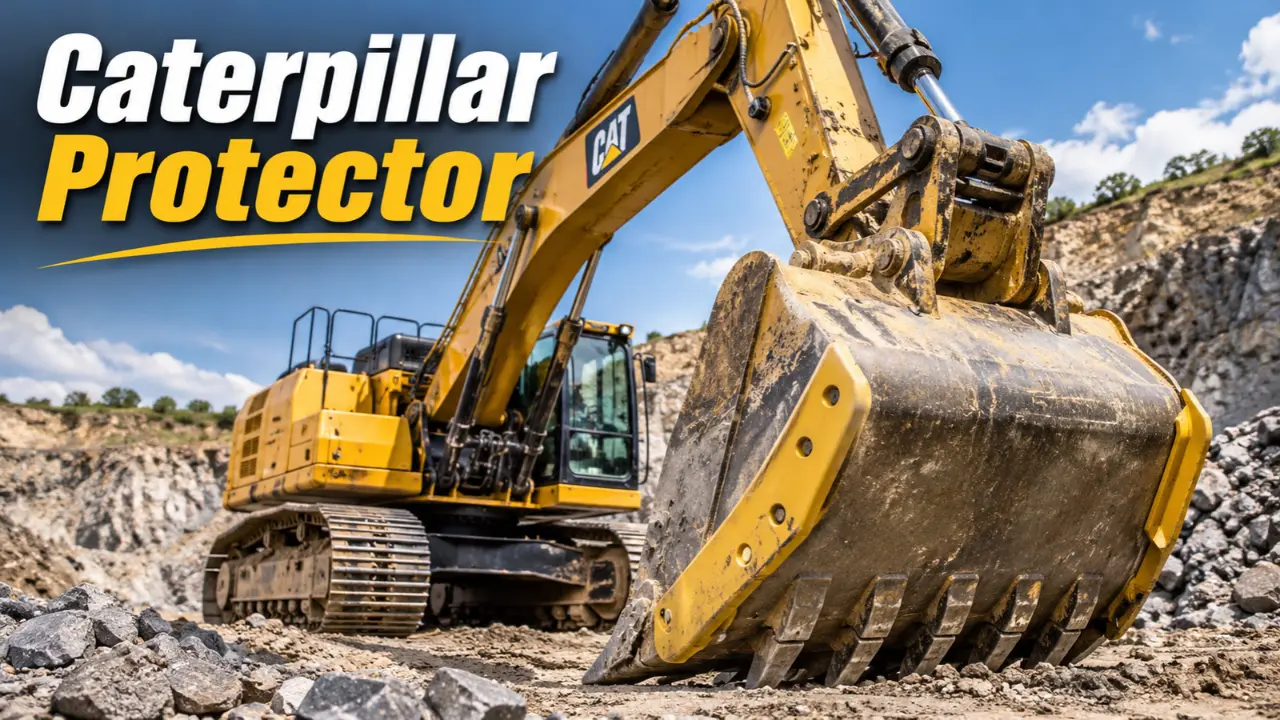
Heavy machinery is built to handle demanding conditions, but even the strongest equipment has vulnerable areas. Buckets, cutting edges, side plates and ripper assemblies face constant contact with soil, gravel, rocks and other abrasive materials. Ignoring this wear can lead to expensive repairs, unnecessary downtime and reduced equipment performance. A properly selected caterpillar protector helps address this problem by shielding exposed components from repeated contact and damage. For construction companies, mining operators and equipment owners, choosing suitable protection is not simply a maintenance decision; it is a practical way to preserve valuable machinery and control operating costs.
Why Heavy Equipment Needs Additional Protection
Excavators, bulldozers and wheel loaders work in environments where ordinary wear is unavoidable. Every time an excavator bucket enters rocky ground, its edges and side sections experience friction and pressure. The same applies to wheel loaders moving crushed stone or bulldozers working across rough surfaces.
These conditions gradually affect exposed metal surfaces. Without suitable protection, important bucket sections may wear faster than expected. Replacing an entire bucket or repairing a damaged attachment can also require more time and money than replacing an individual protective component.
This is where a caterpillar protector becomes particularly useful. It provides an additional protective surface in areas that experience repeated contact with abrasive materials. Rather than allowing the underlying equipment to absorb all the wear, the protective component takes part of that impact.
The importance of protection depends on the working environment. A machine handling loose soil may experience different wear patterns from one operating in a hard-rock quarry. Equipment owners should consider actual site conditions instead of choosing protective components based only on appearance or price.
Different Types of Caterpillar Protectors Used in Heavy Machinery
Not every machine experiences wear in the same places. An excavator bucket has different protection requirements from a bulldozer ripper or a wheel loader attachment. Understanding the main component types makes it easier to identify suitable protection.
Sidebar Protectors
Sidebar protectors are installed along the side sections of buckets. These areas can experience considerable abrasion when equipment works through compacted soil, gravel and rocky material.
A suitable sidebar protector helps shield exposed bucket surfaces and maintain their condition during demanding operations. It can also help protect the bucket’s side profile from unnecessary wear.
The mounting arrangement matters when selecting a replacement. Caterpillar offers different sidebar protection systems, including pinned protection, Cat CapSure and mechanically attached wear plates. Each has its own fitting requirements, so compatibility should always be checked before ordering.
Ripper Guards
Ripper assemblies are designed for ground-breaking applications. They operate under demanding conditions, particularly when working with compacted ground and hard materials.
Ripper guards protect selected areas around the assembly from abrasive contact. Without suitable protection, exposed sections may experience accelerated wear, affecting maintenance requirements.
For machines regularly used in earthmoving and site preparation, checking ripper protection should be part of routine equipment inspections.
Shank Guards
Shank guards protect exposed shank sections on compatible ground-engaging attachments. These areas can experience repeated contact with soil, rock and other materials during operation.
Their main purpose is to reduce direct wear on the protected section. Correct fitting is essential because an incompatible component may not provide the intended coverage.
Corner Protectors
Bucket corners are exposed to repeated contact during digging, loading and material handling. They can experience considerable wear, particularly when working with abrasive materials.
Corner protectors help shield these vulnerable sections. They are particularly relevant to equipment operating in quarries, construction sites and other environments where buckets regularly encounter rough materials.
Vertical Shroud Protectors
Vertical shroud protectors cover selected vertical wear areas on compatible ground-engaging equipment. Their role is to reduce abrasion on surfaces that would otherwise remain exposed during demanding work.
Choosing the correct shape and mounting arrangement is important. A protector should match the component it is designed to cover rather than being selected simply because it appears suitable.
How a Caterpillar Protector Helps Reduce Equipment Wear
The main value of protective components comes from controlling where wear occurs. Heavy machinery cannot avoid friction when handling soil, gravel and rock, but equipment owners can take steps to protect the areas most exposed to it.
A caterpillar protector creates an additional protective surface between the working material and the underlying machine component. When the equipment contacts abrasive materials, the protector absorbs part of that contact.
This approach offers a practical advantage: individual protective components can often be replaced without replacing the larger attachment they protect.
For example, consider an excavator operating in a rocky construction area. Its bucket repeatedly enters hard ground, collects material and releases it into waiting vehicles. The bucket sides and corners experience repeated abrasion throughout the working day.
Suitable protection helps preserve these sections. When the protective component eventually reaches its replacement limit, the operator can arrange an appropriate replacement instead of allowing excessive wear to affect the underlying bucket.
However, protection is not a substitute for inspection. Even high-quality components wear down, and their condition must be monitored.
The Main Benefits for Construction and Mining Operations
Equipment protection has a direct relationship with maintenance planning. Although individual savings depend on operating conditions, suitable protective components can make equipment ownership more manageable.
Reduced Wear on Important Components
The most immediate benefit is protection against abrasion. Buckets, shanks and other exposed sections experience repeated contact with materials that can gradually remove metal from their surfaces.
A correctly fitted caterpillar protector helps reduce this direct exposure. This is particularly useful when equipment works with crushed stone, hard soil and abrasive minerals.
Better Control Over Maintenance Expenses
Replacing a worn protective component can be less expensive than repairing or replacing the larger component underneath it.
For fleet managers, this creates an opportunity to plan maintenance around the condition of individual parts. It also makes it easier to identify components that need attention before wear becomes a larger repair problem.
Less Unnecessary Equipment Downtime
Unexpected repairs can interrupt construction schedules. When a machine becomes unavailable, other operations may also be affected.
Regularly inspecting protective components helps identify wear before it creates more serious equipment problems. Planned replacements are easier to manage than repairs that arise during an important project.
Longer Service Life for Protected Areas
Protective components help preserve the metal surfaces they cover. Their effectiveness depends on correct selection, installation and maintenance, but they can contribute to longer service life for vulnerable equipment sections.
This matters for businesses that depend on expensive attachments operating under demanding conditions.
Caterpillar Sidebar Protection Systems and Their Differences
Caterpillar provides different installation arrangements for sidebar protection. Understanding these systems is useful when maintaining compatible buckets and attachments.
Pinned Sidebar Protection
Pinned protection uses retaining pins to secure the protective component in position. The arrangement is intended for compatible buckets with the required mounting holes.
During replacement, operators should inspect the mounting area and use the appropriate new retaining hardware. Reusing worn retaining pins can affect how securely the component is held.
Cat CapSure Protection
Cat CapSure uses a hammerless retaining arrangement. Its locking and unlocking process uses a 180-degree ratchet turn.
This design removes the need to manually drive a retaining pin into place, which can make the replacement process more convenient for compatible applications.
For maintenance teams, the main attraction is the different retention method rather than a claim that it provides greater wear protection.
Mechanically Attached Wear Plates
Mechanically attached wear plates use a different mounting arrangement and can be suitable for compatible buckets without pre-drilled sidebar protector holes.
The system uses a weld-boss and compression retainer. Correct installation is important because the mounting components must match the intended application.
An important point is that these three systems differ in their attachment and replacement methods. Caterpillar identifies them as providing the same level of protection for the bucket or ripper when correctly applied.
Where These Protective Components Make the Biggest Difference
The value of equipment protection becomes easier to understand when considering the conditions in which heavy machinery operates.
Construction sites are a common application. Excavators and wheel loaders regularly handle soil, gravel, demolition materials and stone. Their buckets can experience repeated friction throughout excavation and loading operations.
Mining environments place different demands on machinery. Equipment may handle abrasive rock and mineral materials over extended working periods. Protective components can help reduce wear on selected exposed areas.
Quarries also create demanding conditions. Moving crushed stone and handling hard materials can accelerate wear on bucket edges, corners and side sections. Suitable protection is particularly relevant for machines that spend much of their operating time handling abrasive materials.
Road construction and earthmoving projects also involve equipment working against compacted surfaces and mixed ground conditions. Regular inspection helps ensure that protective components remain suitable for the work being performed.
The important distinction is that no single protector is appropriate for every machine or application. The component must match both the equipment and the conditions in which it operates.
Choosing the Right Caterpillar Protector for Your Machine
Selecting a replacement should begin with equipment compatibility, not price. A cheaper component offers little value if it does not fit correctly or provide the required coverage.
First, identify the machine model and attachment. Different buckets and ground-engaging components may require different protector dimensions and mounting arrangements.
Next, check the relevant part number. Equipment documentation and an authorized Caterpillar dealer can help confirm the correct replacement reference. This is particularly important when ordering components for older machinery or attachments that have undergone previous modifications.
Working conditions should also influence the decision. A machine operating in loose soil may have different protection requirements from one regularly handling hard rock. Consider where the wear occurs and which surfaces experience the greatest contact.
Material quality is another important consideration. Protective components should be suitable for the intended application and meet the relevant equipment specifications.
Finally, examine the installation system. Pinned, CapSure and mechanically attached arrangements are not interchangeable simply because they perform a similar protective function. The correct system depends on the bucket or attachment design.
Maintenance Practices That Help Protectors Perform Properly
Installing a protective component is only the beginning. Regular inspection determines whether it continues to provide the intended coverage.
Operators should examine exposed protectors during routine equipment checks. Look for excessive wear, visible damage, loose retaining hardware and signs that the component is no longer seated correctly.
Mounting areas also deserve attention. Dirt and accumulated material can make inspection difficult, while damaged mounting surfaces may affect how securely a replacement fits.
When a protector reaches its replacement limit, it should be changed according to the manufacturer’s instructions. Delaying replacement can expose the underlying equipment surface to unnecessary wear.
For pinned sidebar systems, retaining pins should be inspected and replaced as required. Caterpillar’s installation guidance recommends using new retaining pins during replacement rather than reusing the old ones.
Maintenance teams should also record replacement dates and inspection findings. These records can help identify recurring wear patterns and make future maintenance planning more accurate.
Common Mistakes to Avoid When Buying Replacement Protectors
One of the most expensive mistakes is ordering a component without confirming its compatibility. Similar-looking protectors may have different dimensions, mounting arrangements or applications.
Another mistake is selecting parts based entirely on their initial purchase price. A low-cost replacement may not offer suitable material quality or the correct fit for demanding working conditions.
Ignoring the mounting system can create additional problems. A pinned protector, for example, requires the appropriate mounting arrangement. A different retention design cannot automatically replace it.
Equipment owners should also avoid waiting until the underlying bucket or attachment becomes visibly damaged. Protective components are intended to take wear before it seriously affects the surfaces beneath them.
Working with a knowledgeable parts supplier or authorized dealer is a sensible approach when the correct specification is uncertain.
Why Proper Equipment Protection Is a Practical Investment
Heavy equipment represents a significant financial commitment. Its operating costs extend beyond fuel and routine servicing to include attachment repairs, replacement components and unexpected downtime.
A suitable caterpillar protector helps equipment owners manage one part of that expense by reducing wear on exposed surfaces. Its value becomes particularly clear when machines operate daily in abrasive environments.
The smartest approach is not to install protection indiscriminately or assume that every available component is necessary. It is to identify vulnerable areas, choose compatible parts and inspect them consistently.
A machine does not become more reliable simply because it is built by a respected manufacturer. Reliability also depends on how well its working components are maintained. Protecting vulnerable surfaces before excessive wear develops is a far better decision than paying for avoidable repairs later.
Frequently Asked Questions
1. Can a Caterpillar protector be installed on an older excavator bucket?
It may be possible, but the bucket design, mounting arrangement and component specifications must be checked first. Older attachments may require a particular protector or an approved compatible replacement.
2. What should operators check before replacing a sidebar protector?
They should inspect the protector’s wear condition, mounting holes, retaining hardware and surrounding bucket surfaces. The replacement must match the original system and the manufacturer’s fitting requirements.
3. Is Cat CapSure easier to replace than pinned sidebar protection?
Cat CapSure uses a hammerless retention system operated with a 180-degree ratchet turn. This avoids manually driving retaining pins, although the overall replacement process still depends on the attachment and installation instructions.
4. Do protective components eliminate bucket wear?
No. They help reduce wear on the areas they cover, but other bucket surfaces remain exposed. Protective components also experience wear themselves and require regular inspection and replacement.
5. Should equipment owners choose genuine Caterpillar protectors or aftermarket alternatives?
The decision should be based on verified compatibility, material specifications, fit and application requirements. Genuine Caterpillar parts offer manufacturer-specific identification and support, while aftermarket products should be checked carefully against the equipment’s requirements before purchase.